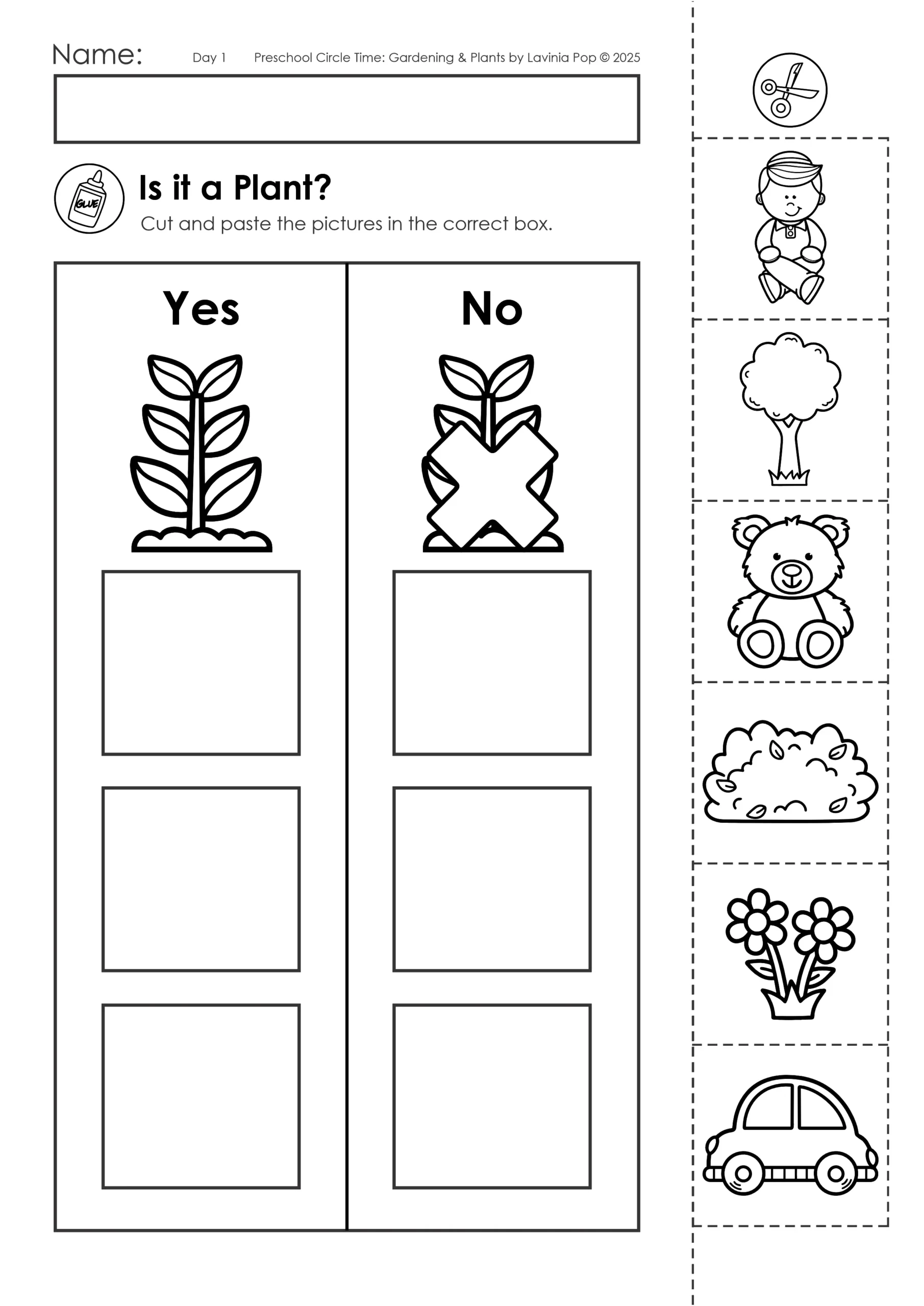
Not all educational printables are created equal. When selecting plant worksheets for preschool, parents and teachers often find that two resources on the same topic lead to vastly different results, largely due to design choices that either support or hinder a young child's focus.
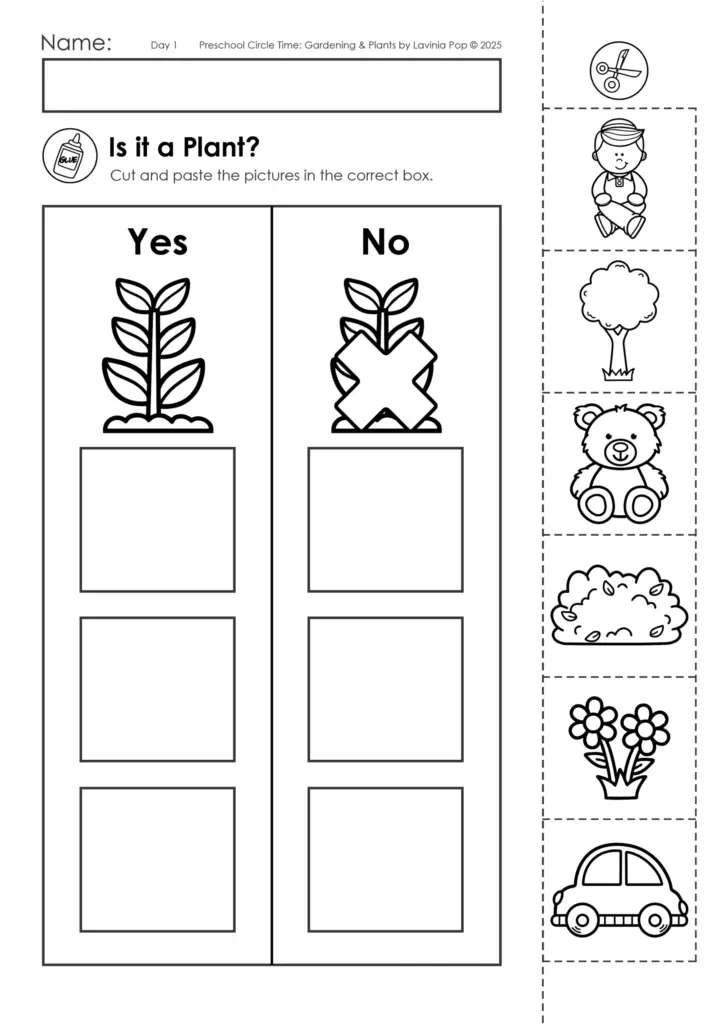
When two worksheets cover the same botanical concepts, such as the life cycle of a seed or identifying root systems, the discrepancy in learning outcomes often comes down to intentional design. A well-crafted page acts as a scaffold, guiding a child through a logical sequence of thought, while a poorly designed page acts as a barrier, confusing the learner with unnecessary clutter. The difference lies in whether the worksheet serves the child’s cognitive developmental stage or simply fills time with busywork that offers no real educational value.
Clear Learning Purpose
An effective worksheet should have one identifiable pedagogical goal. Whether the objective is to teach the parts of a flower or to practice fine motor skills through tracing leaf veins, the activity must be laser-focused on that single outcome. When a sheet attempts to teach counting, coloring, phonics, and plant anatomy simultaneously, it dilutes the learning process and leaves the child unsure of what they are expected to achieve.
For preschoolers, a worksheet that is too easy fails to stimulate growth, while one that is too difficult leads to frustration and disengagement. The ideal material sits within the child's zone of proximal development, offering just enough challenge to require effort without overwhelming their current abilities. Educators should look for tasks that build upon what the child already knows, such as moving from identifying a single seed to describing how that seed grows into a sprout, ensuring the progression feels natural and attainable.
Visual Design Matters
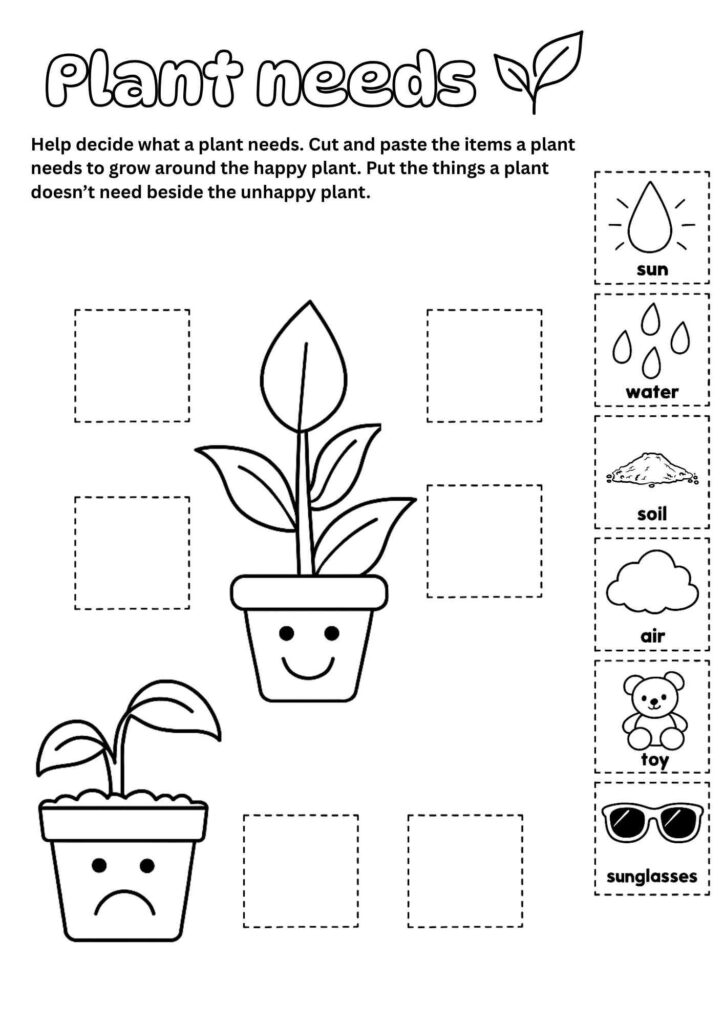
The physical layout of a page is as important as the content itself because preschool children are highly visual learners who are easily distracted by sensory overload. Proper spacing ensures that each element on the page has enough room to exist without overlapping, which is essential for children still developing spatial awareness. Readable fonts, clear black-and-white line art, and a logical flow from top-to-bottom help the child navigate the task independently, reducing the need for constant adult intervention.
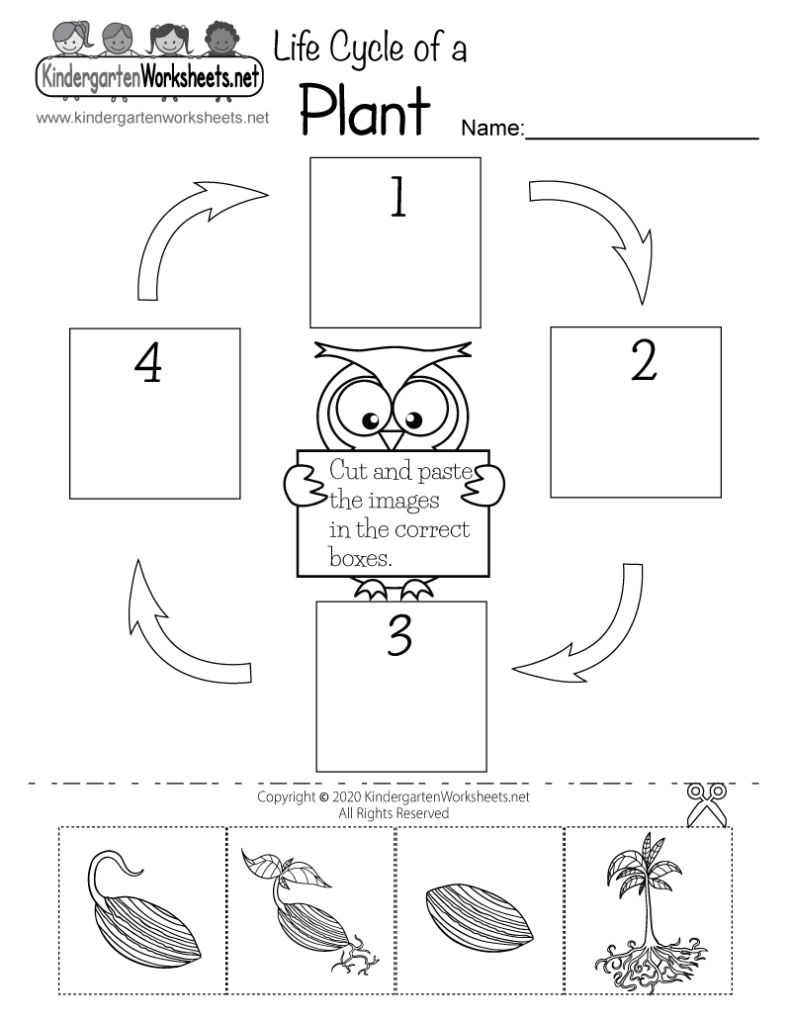
Visual overload occurs when a page is crammed with too many images, varied fonts, and competing colors, effectively muting the educational message. A cluttered worksheet forces the child to exert more energy on deciphering where to look rather than engaging with the plant science concepts. By utilizing generous white space, designers can draw the eye toward the most important information, allowing the preschooler to focus their limited attention span on the specific lesson at hand.
The best plant worksheets for preschool encourage independence by using simple, directive language that children can interpret or that parents can read once to get them started. If the instructions are too abstract or complex, the child becomes reliant on the adult to explain the task, which defeats the purpose of an independent activity. When instructions are clear and the layout is intuitive, the child gains confidence in their ability to solve problems on their own, fostering a sense of accomplishment that is essential for early development.