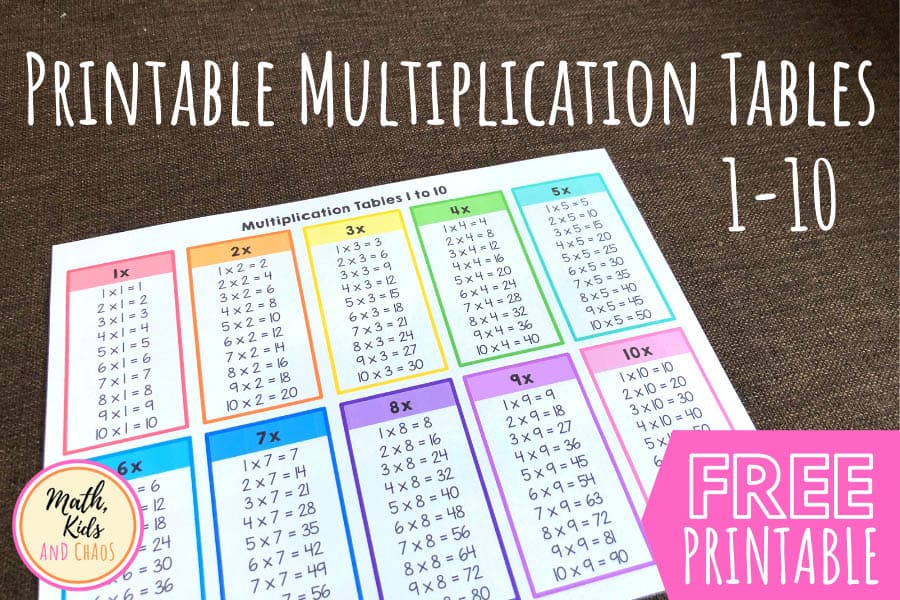
Accessing free printable times tables provides an immediate, low-cost way to reinforce multiplication skills for students. These resources offer a tactile reference for daily practice, helping learners move from basic counting toward automatic recall of mathematical facts.
Parents and educators often rely on these documents to bridge the gap between abstract concepts and rapid calculation. By keeping a physical chart on a desk or wall, students can verify their work during independent study, which builds confidence and reduces frustration. Consistency is the primary factor in mastery, and having a dedicated resource readily available makes it easier to integrate short bursts of practice into a daily routine.
Why Use Free Printable Times Tables
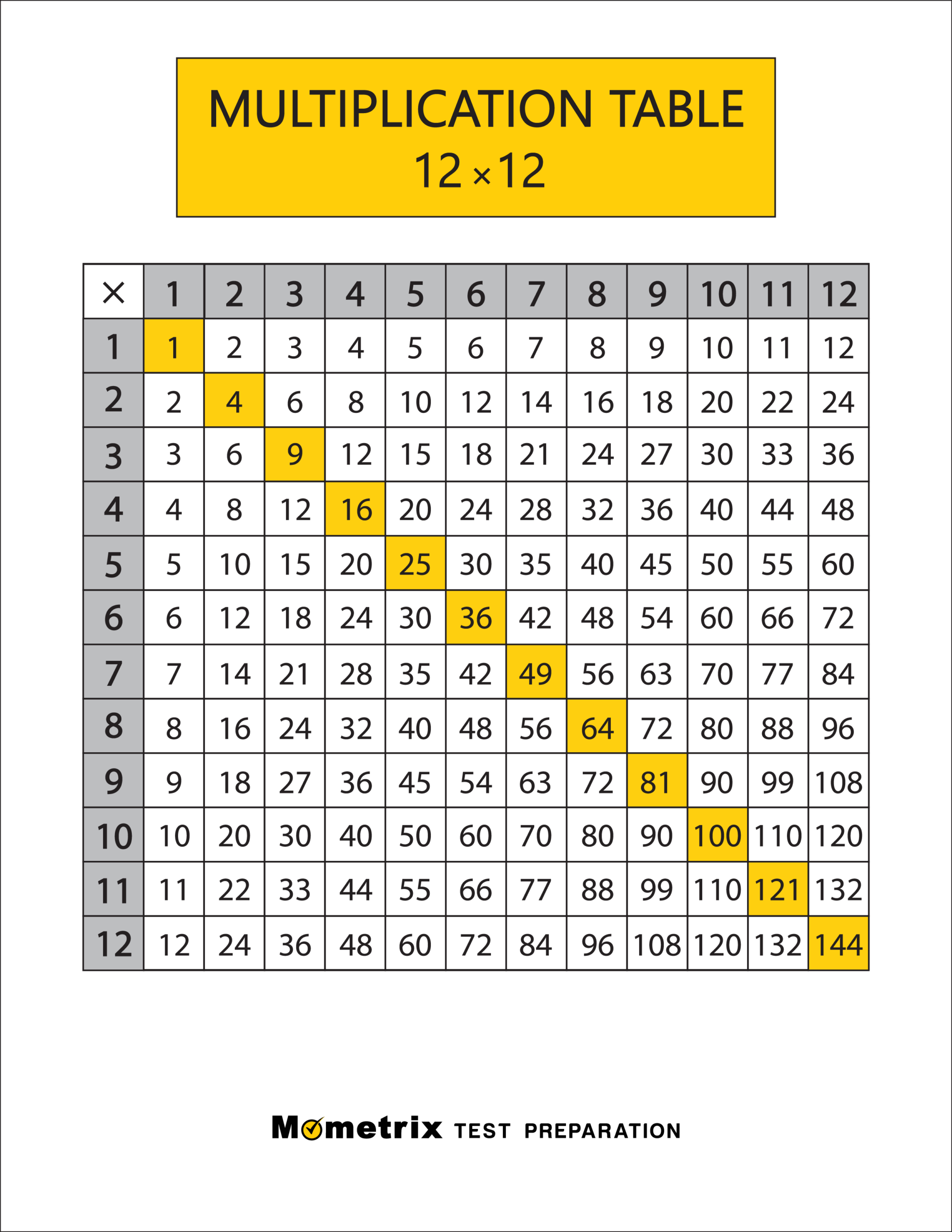
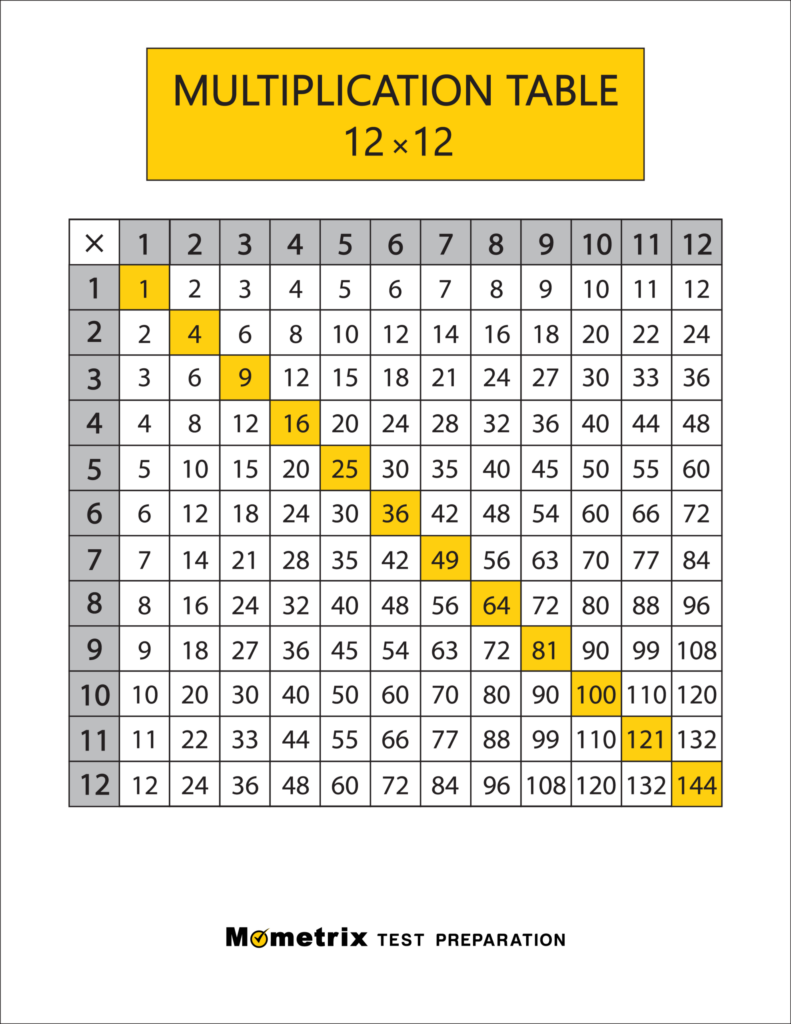
The transition from learning the concept of multiplication to memorizing facts requires repetition and frequent exposure. Using a structured grid allows a child to visualize the relationship between factors and products, rather than relying solely on rote memorization. When students interact with these sheets, they develop the ability to identify patterns, such as the commutative property, which simplifies the learning process significantly.
These materials are particularly effective for students who benefit from visual organization. A clear, uncluttered layout helps keep the focus on the numbers rather than distracting graphics. Whether you are prepping for a timed assessment or working to improve general numeracy, these charts serve as a foundational tool that supports long-term retention of basic arithmetic skills.
Practical Strategies for Daily Practice
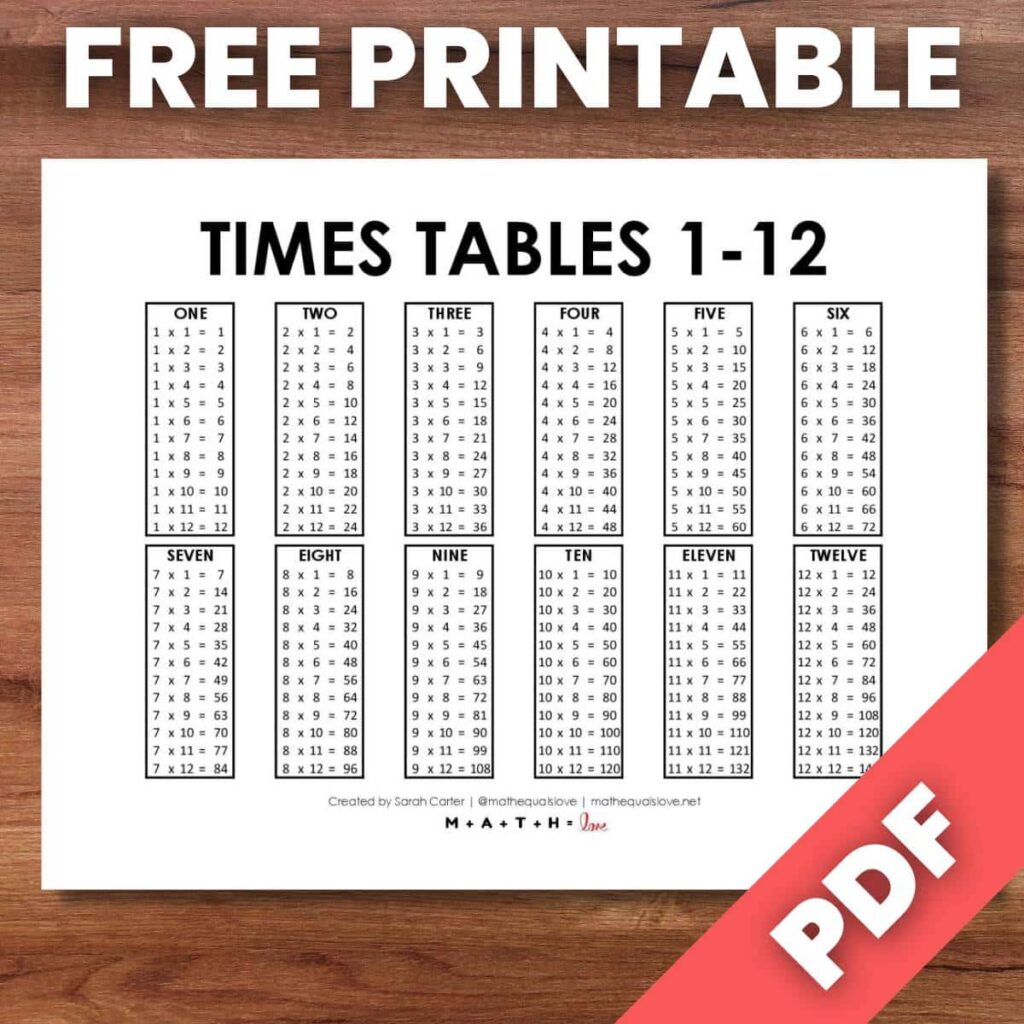
To maximize the utility of these documents, start by isolating one set of numbers at a time. For example, focus on the three-times table before moving to the four-times table to prevent overwhelming the learner. Encourage the student to highlight specific patterns they notice, such as how the products for the five-times table always end in a five or zero. This active engagement turns a static reference sheet into an interactive learning tool.
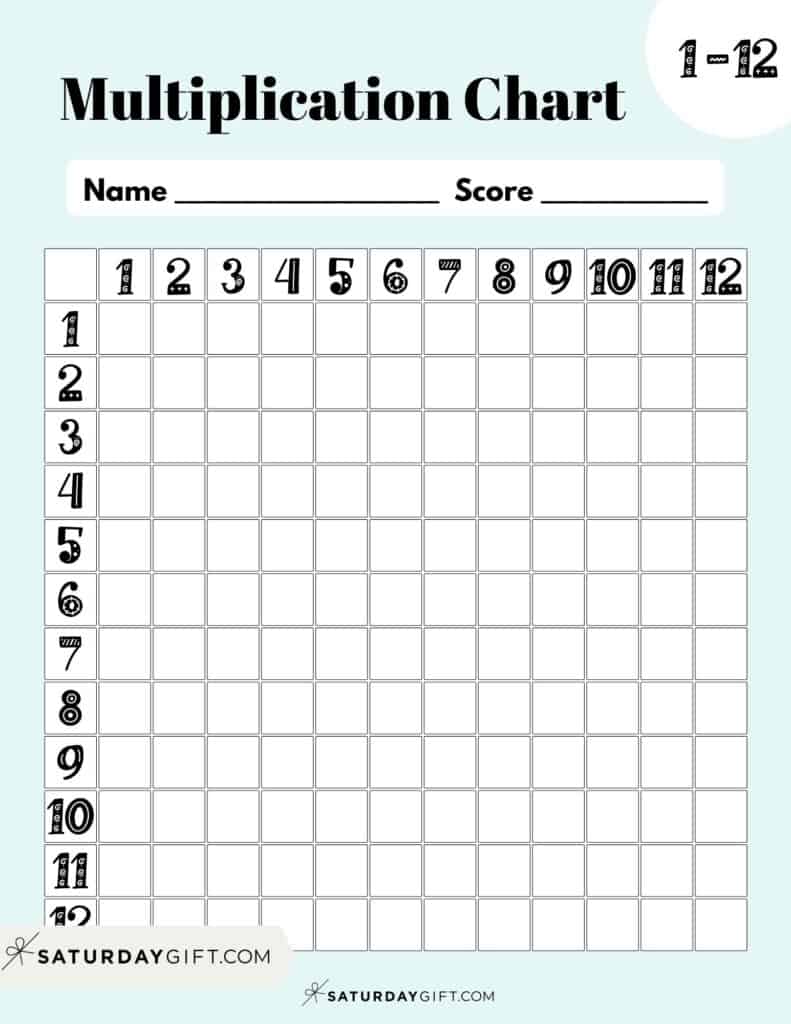
Another effective technique involves testing recall by covering portions of the chart. Once a student feels comfortable with the full grid, provide them with a blank version where they must fill in the missing products from memory. Comparing their completed work against the reference sheet provides instant feedback, allowing for immediate correction and self-assessment. This cycle of practice and review is essential for transitioning from manual calculation to mental math fluency.
Ultimately, the goal is to reach a stage where multiplication becomes second nature. Consistent use of these resources prevents the common plateau in math progress that occurs when foundational facts remain uncertain. Incorporating these sheets into regular homework sessions or morning review periods ensures that mathematical accuracy improves steadily over time. By providing a reliable, clear reference, you enable a more structured and stress-free environment for developing essential academic skills.