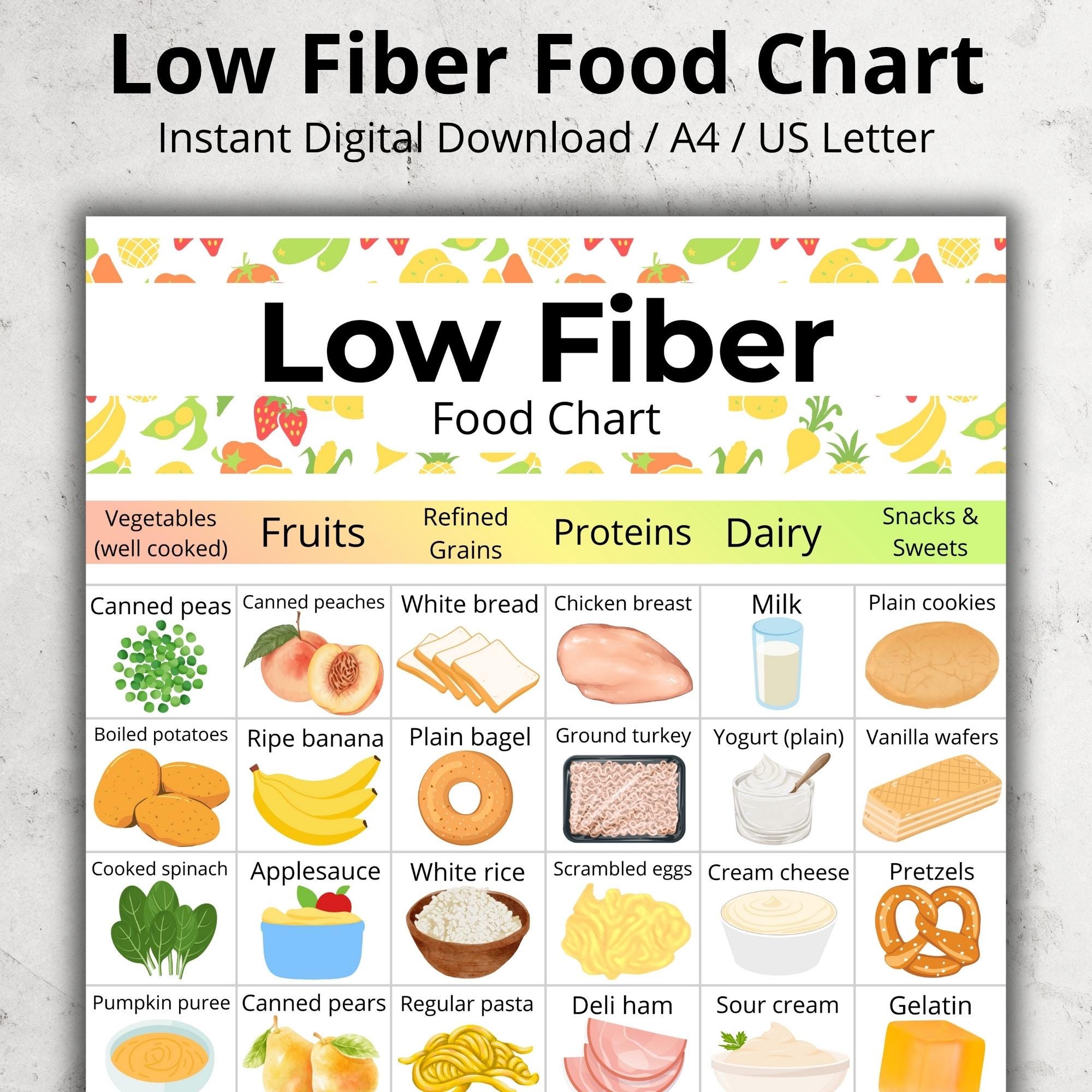
Navigating a restricted diet requires precision and planning. Keeping a reliable low fiber food list PDF on hand helps you identify safe, easily digestible choices during recovery periods or while managing specific medical conditions that necessitate a low-residue approach to nutrition.
When you are instructed to reduce your fiber intake, the primary objective is to minimize the amount of undigested material moving through your digestive tract. This dietary strategy is commonly used before medical procedures or during inflammatory bowel flare-ups. Having a clear, printed reference prevents the confusion that often arises in the grocery aisle when you are trying to distinguish between whole grains and refined, low-residue alternatives.
Begin by printing your resource and securing it in a place where you prepare your meals, such as on the refrigerator door. Review the categories on the sheet to identify items you already have in your pantry, like white rice or canned vegetables without skins. Mark these items with a highlighter so you can quickly inventory your kitchen for compliant snacks and main courses before heading out to the store.
Integrating your low fiber food list PDF into your shopping routine
Take your printed list with you whenever you go to the supermarket to ensure you do not inadvertently purchase high-fiber items. Check labels for total fiber content, aiming for products that contain less than one gram per serving. If you encounter a new product, compare its nutritional profile against your reference sheet to confirm it fits within your specific dietary guidelines for the week.
Strategies for meal planning and preparation
Use the document to build a weekly menu that relies on proteins like eggs, poultry, and fish, which are naturally free of fiber. Pair these with refined carbohydrates such as white bread, pasta, or peeled potatoes to create balanced, gentle meals. Cross-reference the list while you are cooking to ensure that any added ingredients, such as sauces or seasonings, do not contain hidden fiber from seeds, nuts, or raw vegetables.
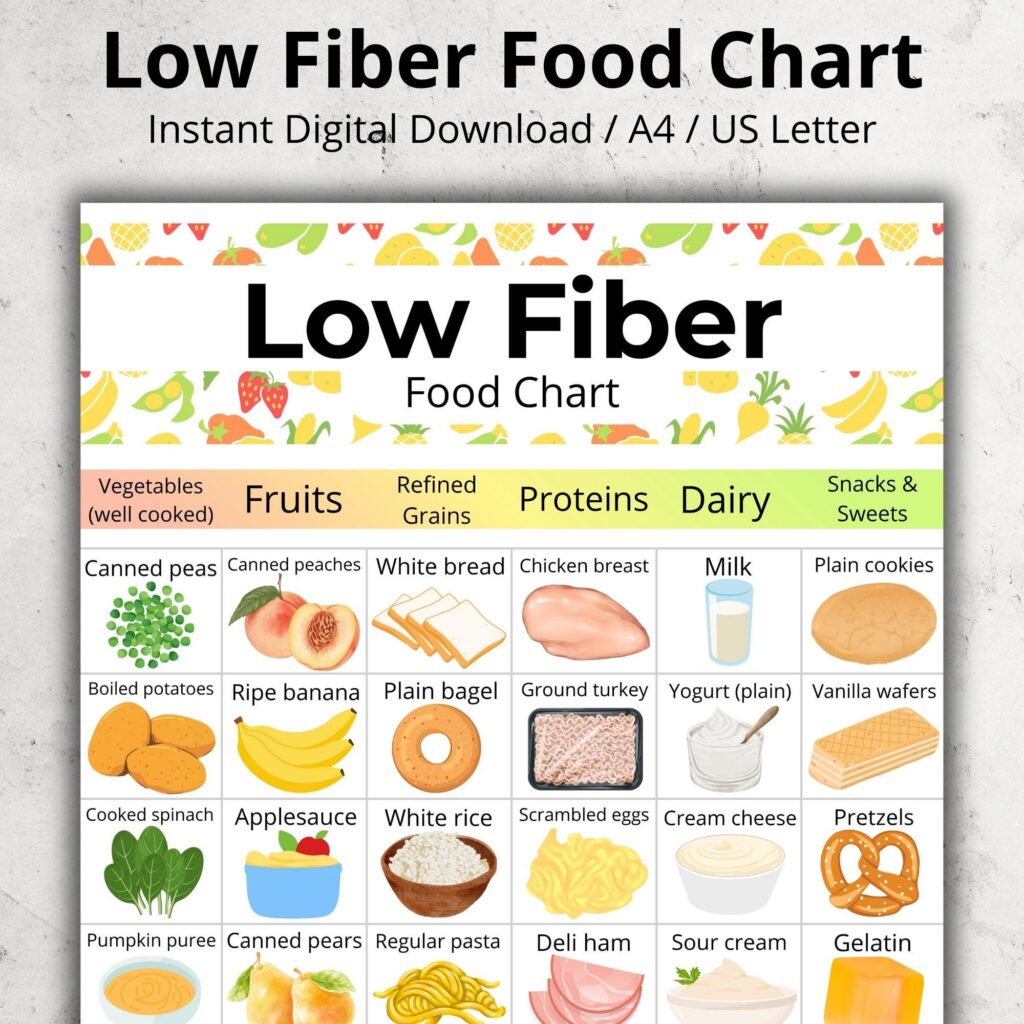
Modify your recipes by swapping out high-fiber ingredients for the compliant options highlighted on your sheet. For instance, if a recipe calls for beans or fibrous greens, consult your guide for suitable substitutions that provide texture without the roughage. This proactive approach allows you to maintain variety in your diet while adhering strictly to your medical requirements for low-residue intake.
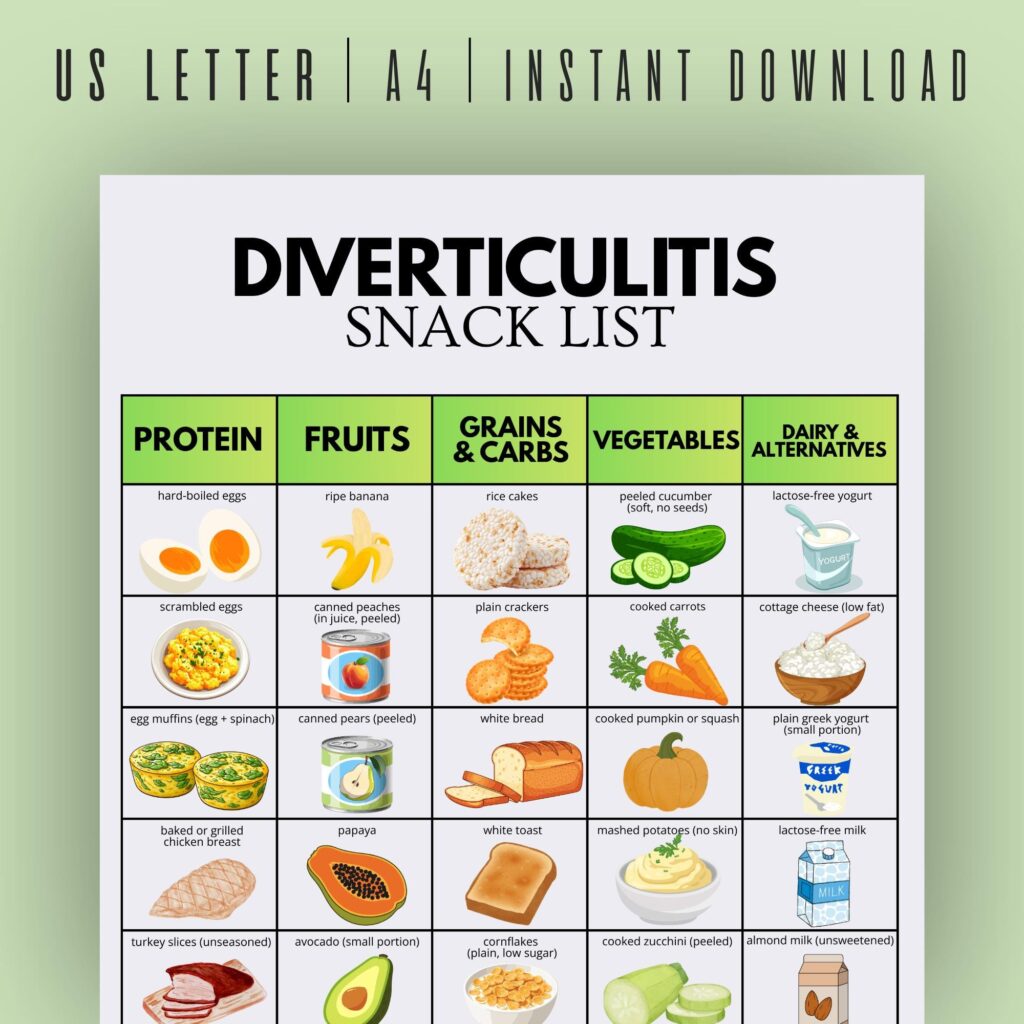
Keep a small copy of your list in your purse or wallet for dining out situations where you need to interpret a menu quickly. Scan the items for safe choices like grilled proteins or steamed white fish, and do not hesitate to ask your server about the preparation methods for vegetables. Having a tangible, reliable document removes the guesswork and helps you stay on track while eating away from home.
Consistency is essential when managing digestive health through diet, and your printable resource serves as an anchor for this process. By organizing your kitchen, shopping with intent, and planning your meals according to the criteria on the page, you gain confidence in your ability to follow the protocol successfully. Store your document in a folder when not in use to keep it clean and ready for your next planning session.