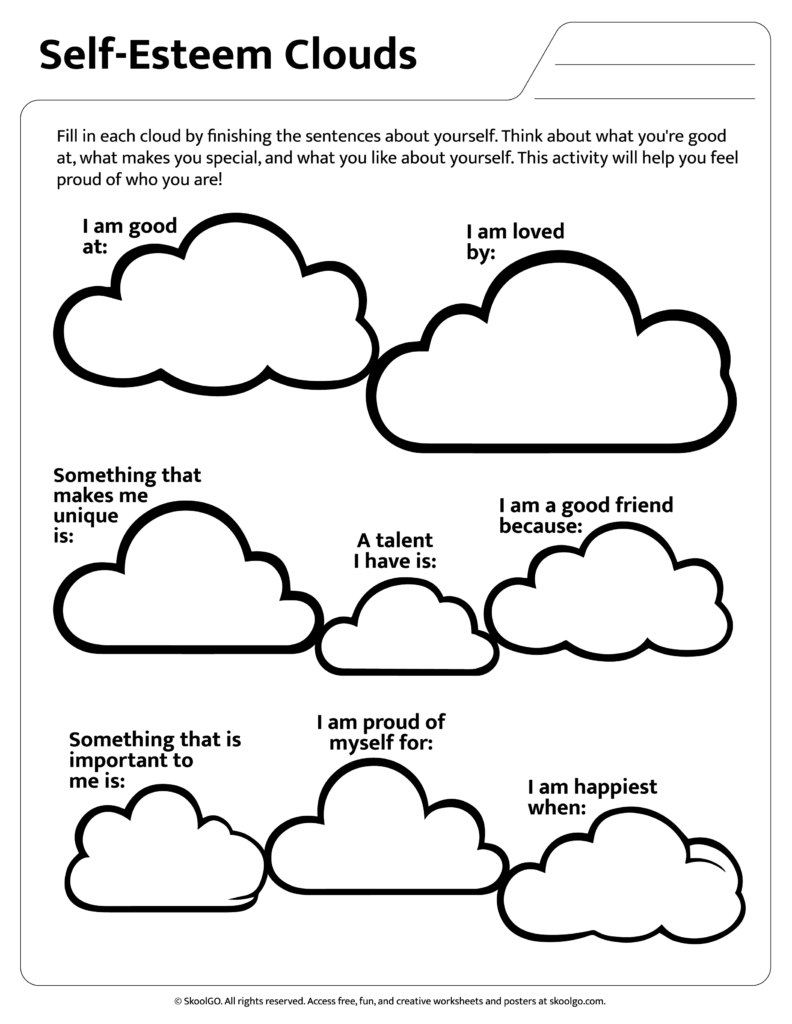
Cloud worksheets for kindergarten offer a versatile tool for early learners. While the paper remains the same, the purpose behind these activities shifts significantly depending on whether a child is working at the kitchen table or sitting at a desk in a bustling classroom environment.
When a parent selects a cloud worksheet for kindergarten, the primary objective is often to create a bridge between school concepts and home life. Parents frequently utilize these printables as a way to offer one-on-one support, helping a child navigate a new skill in a low-pressure setting. Beyond direct instruction, these sheets serve as excellent tools for reinforcing concepts previously introduced by a teacher or providing a quiet, focused activity during a busy afternoon. By incorporating these worksheets into the home routine, parents can provide necessary review time while offering the gentle, individual attention that supports a young learner's confidence.
The Parent's Goal
In the classroom, teachers approach cloud worksheets for kindergarten with a strategic focus on instructional alignment and data collection. These documents are often integrated into learning centers or used for guided practice, where a teacher can circulate and provide immediate feedback to small groups. Teachers view these worksheets as a means to check for understanding, often using them as an informal assessment to determine which students have mastered a concept and which might need additional small-group intervention. By standardizing the activity across the class, the teacher gains a snapshot of student progress, allowing for more informed planning for future lessons.
Parents can introduce these worksheets by framing them as a collaborative exploration rather than a test of ability. It is often helpful to talk about real clouds seen outside before starting the paper activity, which helps ground the abstract concept in the child's daily observations. By keeping the tone conversational and providing positive encouragement during the process, parents can help children associate these tasks with curiosity and discovery. This approach ensures the child remains engaged with the content, turning a simple worksheet into a meaningful interaction between the adult and the learner.
How Teachers Can Introduce the Worksheet
Teachers often introduce cloud worksheets for kindergarten by modeling the expected output on a large screen or whiteboard, ensuring that every student understands the task requirements. They might use a think-aloud strategy, explaining their own thought process while drawing or labeling, which gives students a clear template for success. Furthermore, teachers often place these sheets in designated centers where students can work independently, fostering self-reliance and the ability to follow instructions without constant supervision. By setting clear parameters before the students begin, the teacher empowers the children to take ownership of their learning experience.
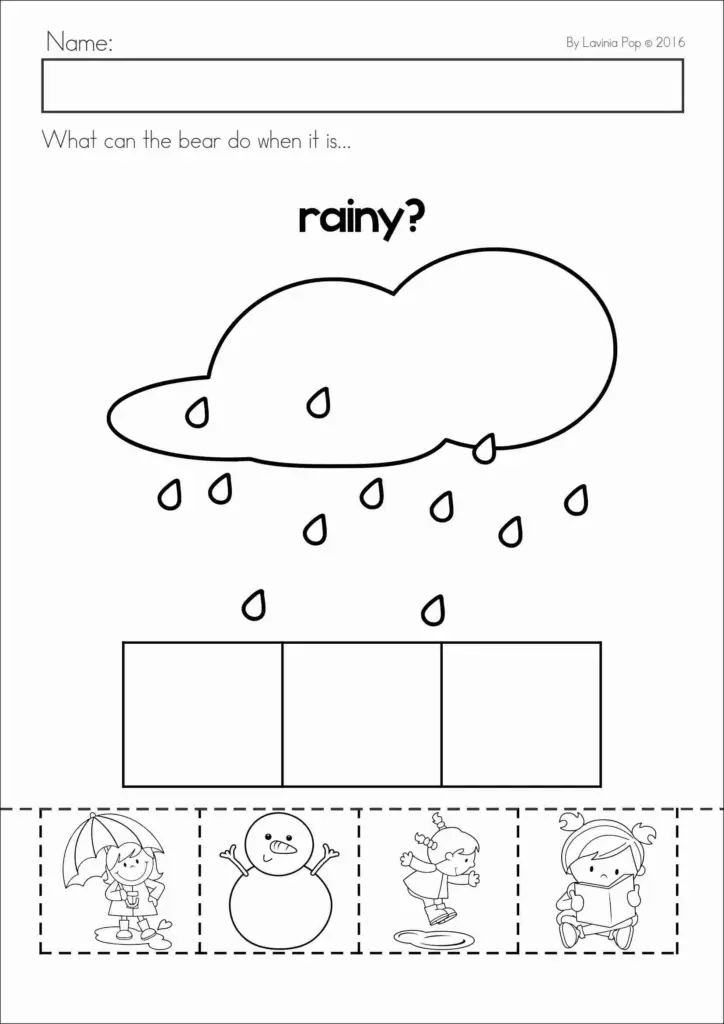
When using these materials at home, parents should focus on the process rather than the final product. Observing a child’s grip on the pencil, their ability to follow multi-step directions, or how they handle moments of frustration provides deeper insight into their developmental readiness than the worksheet itself. Parents should look for signs of growing independence, such as when a child begins to complete the task with fewer prompts. Noting these small milestones helps parents understand their child’s learning style and identify areas where they may be ready for a slightly more complex challenge.
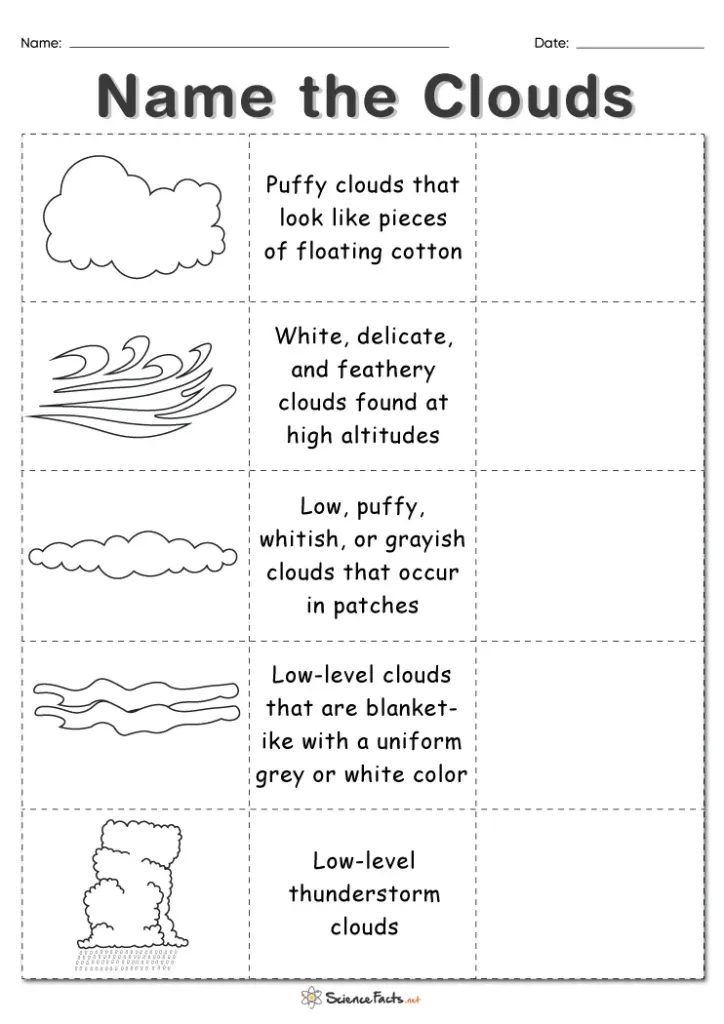
Teachers analyze worksheet responses as a vital diagnostic tool to tailor their instruction to the needs of the group. By examining how students interpret the prompts on a cloud worksheet, the teacher can identify patterns in common misunderstandings or areas of strength across the entire classroom. This data allows the teacher to decide if the class is ready to move on to more complex meteorological concepts or if they need to revisit foundational vocabulary. Viewing these documents as assessment pieces transforms them from simple busywork into a roadmap that guides the teacher’s next steps in the curriculum.