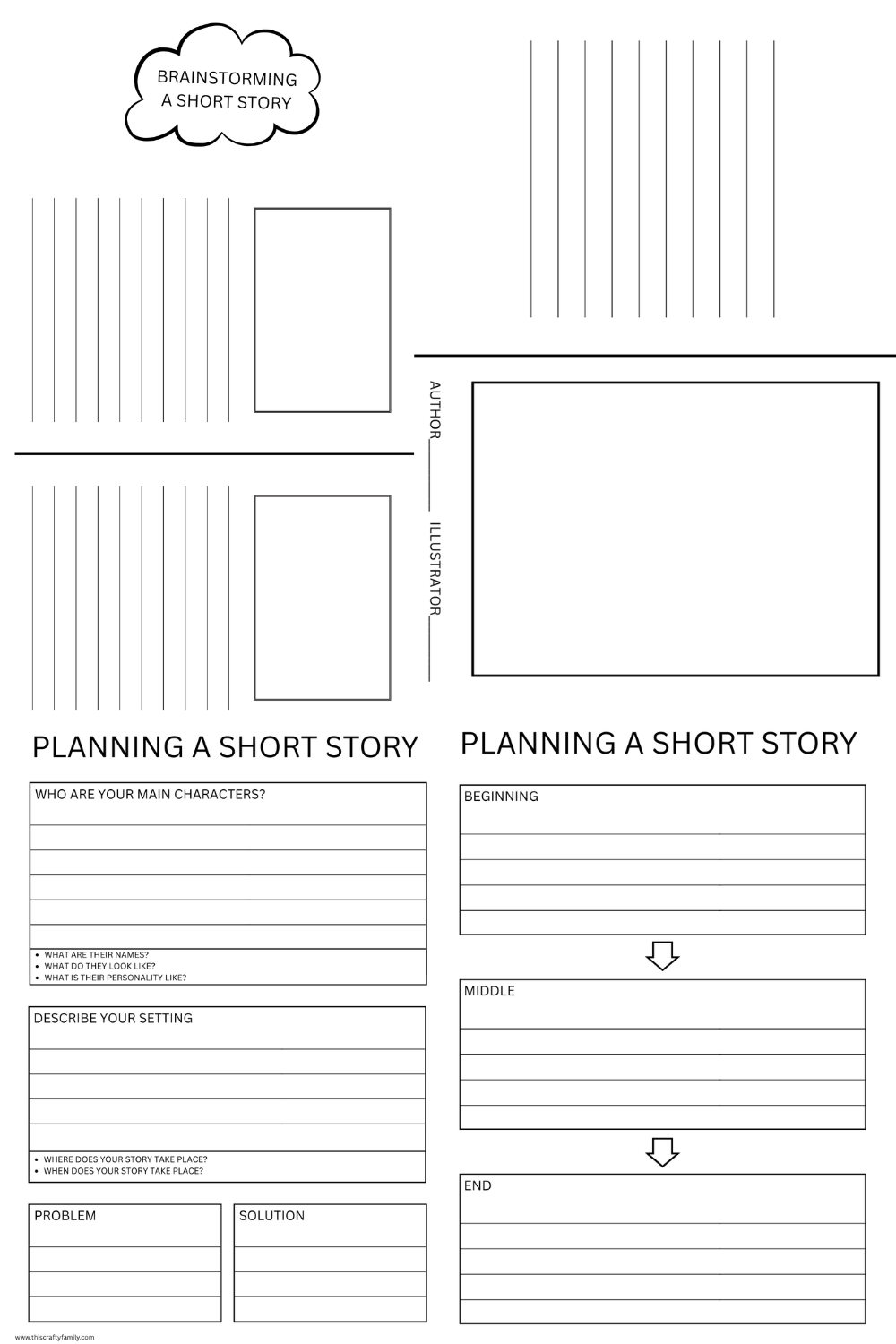
Writing planning worksheets printable are structured paper-based tools designed to help learners organize their thoughts, sequence ideas, and outline narratives before they begin the drafting process. These resources provide a scaffold for students who struggle with the blank page.
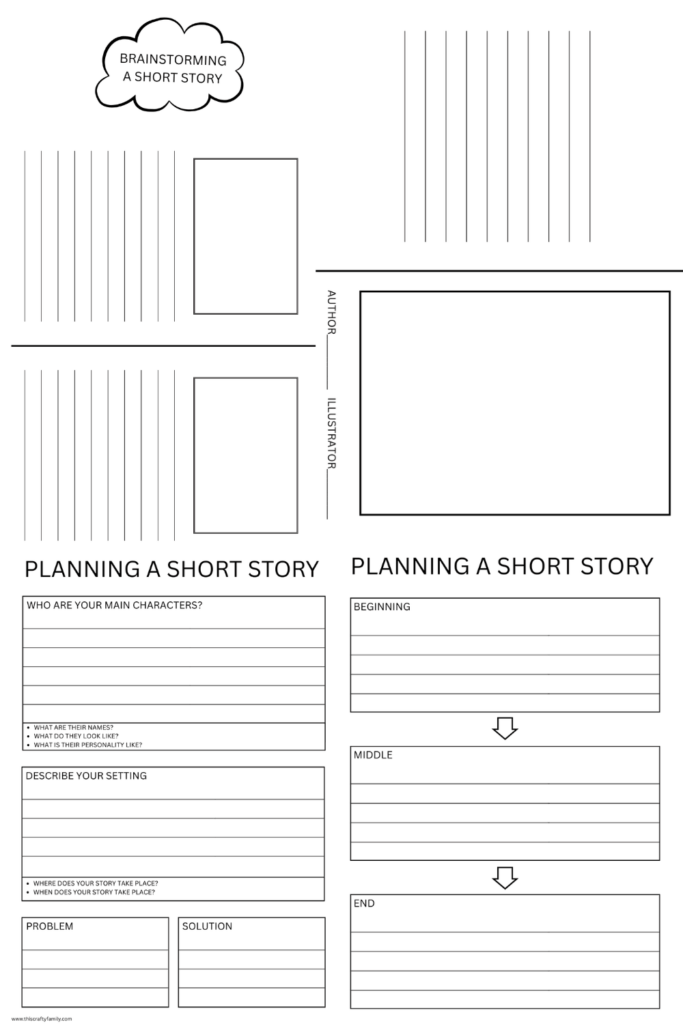
At its core, a planning worksheet acts as a bridge between the abstract chaos of a creative mind and the structured requirements of formal writing. By breaking down complex tasks into manageable sections like introduction, body, and conclusion, these documents minimize cognitive load. They provide the necessary framework for students to categorize their information logically without feeling overwhelmed by the pressure of grammar or sentence structure during the initial brainstorming phase.
What Is Writing Planning Worksheets Printable?
These tools consist of pre-formatted templates that guide a student through the pre-writing phase of the writing process. They often include prompts, bubbles for brainstorming, flowcharts for sequencing events, or checkboxes for essential components like topic sentences and supporting details. Because they are printable, they offer a tactile experience that allows students to sketch, doodle, and rearrange their ideas physically before transitioning to a final draft.
These resources are designed for students across a broad spectrum of ages, typically ranging from early elementary learners to high schoolers tackling complex research papers. They are particularly effective in mainstream classrooms, special education settings, and homeschooling environments where individualized attention is a priority. Regardless of the grade level, the primary beneficiary is the learner who possesses creative ideas but requires assistance in translating those thoughts into a cohesive and coherent written structure.
What Skills Does It Practice?
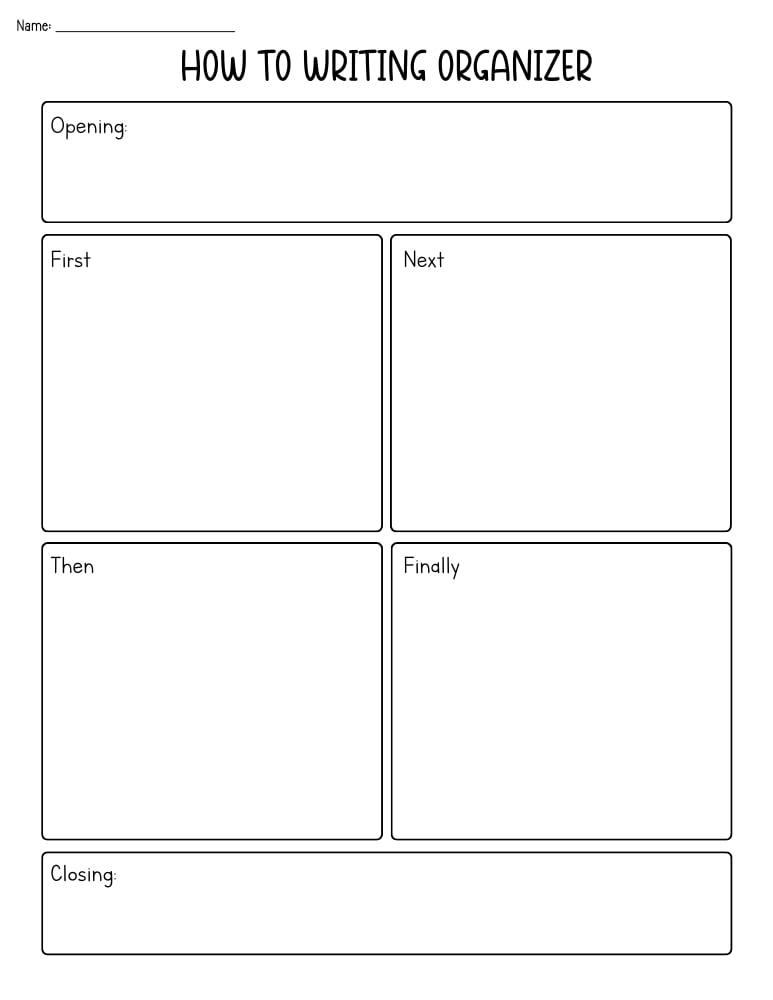
Academically, these worksheets reinforce the ability to identify main ideas and differentiate them from supporting details, which is a cornerstone of literacy. Cognitively, they promote executive functioning, as students must plan, prioritize, and monitor their own progress through a task. Physically, the act of writing on a printed page aids in motor control and handwriting fluency, while independently managing a worksheet helps students build self-regulation and time-management skills that are essential for long-term academic success.
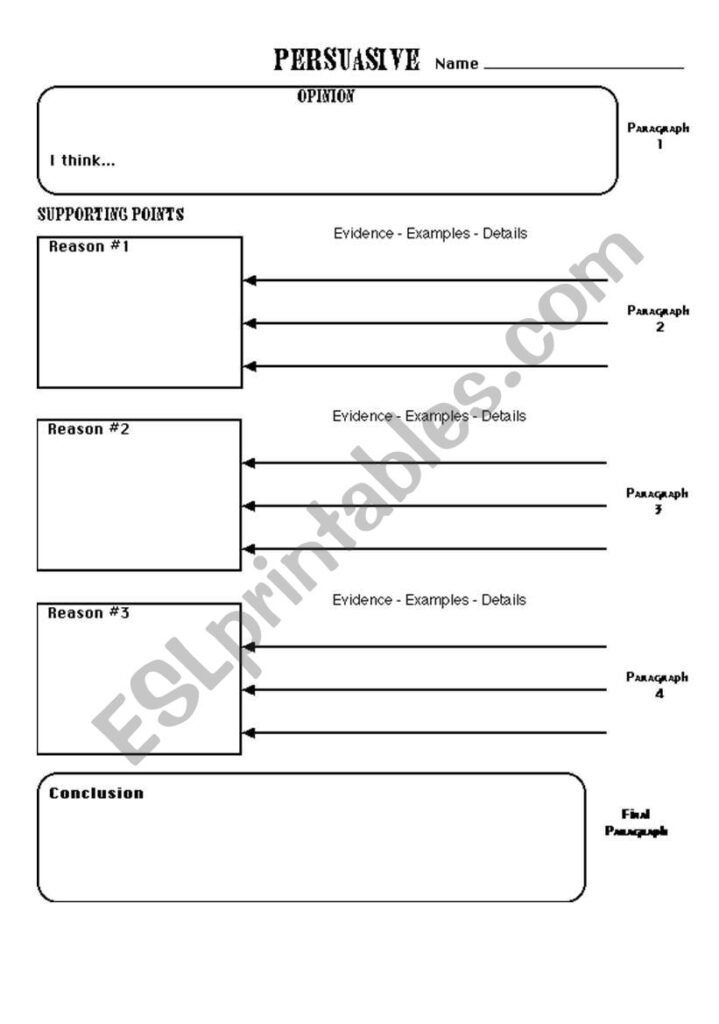
To use these effectively, begin by guiding the student through the specific prompts on the sheet, encouraging them to fill in the blanks with brief keywords rather than full sentences. Once the plan is complete, review the sections together to check for logical flow and ensure that every point directly supports the intended message. Finally, use the finished document as a visual reference point that stays on the desk during the actual drafting phase, allowing the student to check off items as they translate their plan into a polished piece of writing.
Adapting these tools for younger learners involves using templates with more visual cues, such as icons for beginning, middle, and end, or spaces for drawing pictures alongside short phrases. For older students, the worksheets should be scaled to include more complex requirements like thesis statements, evidence synthesis, and counter-argument planning. By adjusting the density of the information requested, you ensure the scaffold remains supportive rather than restrictive, allowing the student to grow in their autonomy as a writer.