You have just spent twenty minutes explaining how to use commas in a list. Your child nods, smiles, and gets the first one right. But the moment you step away to start dinner, they are frozen, pen hovering over the page. It is a common frustration for parents and teachers alike.
Why Understanding Is Not the Same as Doing
Learning is not a single step process where understanding instantly converts into mastery. When an adult explains a rule, the child is benefiting from external scaffolding that supports their cognitive load. Independent work requires a shift from passive recognition to active retrieval, where the child must recall the rule, identify the context, and apply the correct mark without prompts.
Where Punctuation Worksheets With Answers Fit
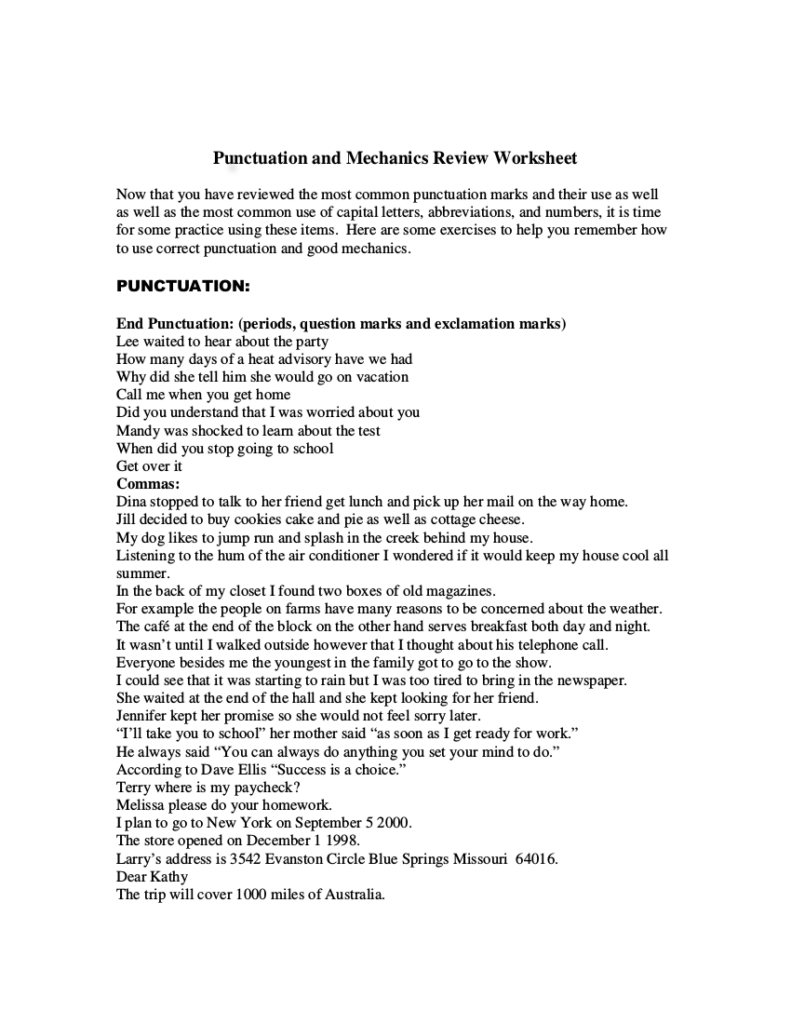
Punctuation worksheets with answers serve as a bridge between direct instruction and full independent competence. By providing a structured environment with clear examples and a reference key, these resources allow children to self-check their logic. They transform a vague homework assignment into a manageable task where the child can immediately verify if their application of a period or semicolon matches the goal.
We often fear that letting a child see the solution will lead to cheating, but productive mistakes are actually the engine of learning. When a child attempts a sentence and gets it wrong, the discrepancy between their effort and the provided answer creates a moment of cognitive friction. This friction forces them to analyze why their choice differed from the correct one, deepening their grasp of the grammar rules.
When a child stalls, your goal is to guide them toward the answer rather than providing it. Start by asking a leading question, such as asking where the list begins or ends in a sentence. If they remain stuck, demonstrate one example by thinking out loud so they can hear your internal monologue. If the entire concept is still elusive, it is often better to step back to an easier version of the activity to rebuild their confidence before returning to the original task.
Progress is not always measured by a perfect score on a page. You are succeeding if you notice the child hesitating less frequently or if they begin to self-correct before you even look at their work. If the worksheet is too difficult, you will see signs of avoidance or extreme frustration, signaling that they need more modeling first. Conversely, if it is too easy, the child will finish rapidly with zero errors, which indicates they have already mastered the skill and are ready for a more complex challenge.