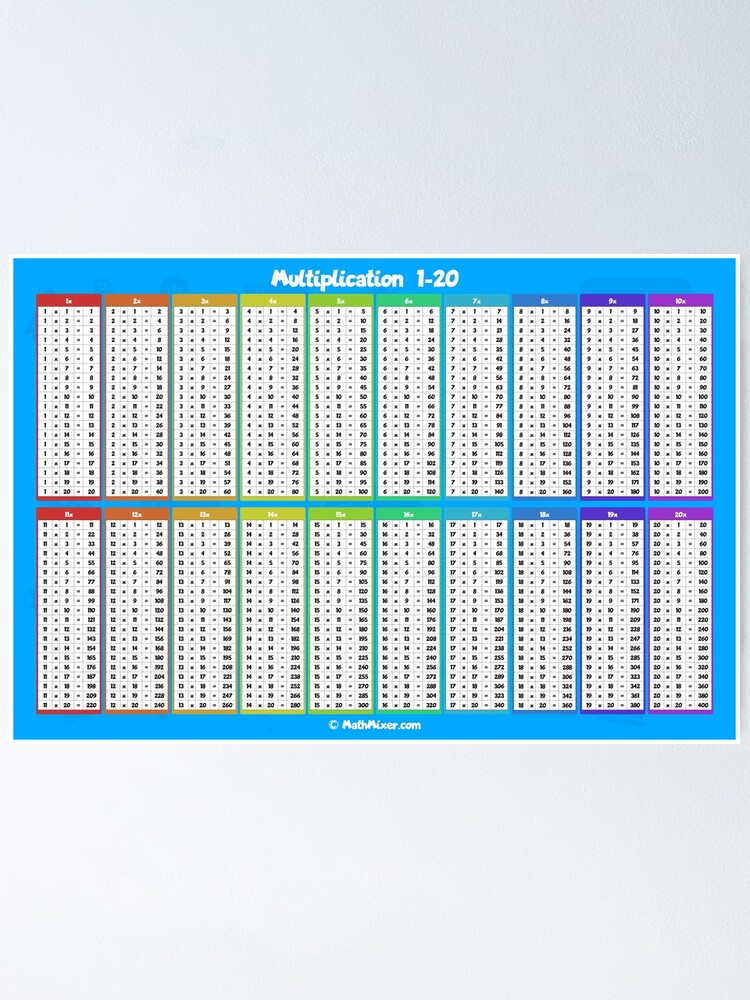
Memorizing math facts is a rite of passage, but moving past the basic twelve times tables can feel like a daunting leap. Having a clear, accessible table of multiplication 1-20 is a simple way to build confidence and accuracy for students tackling more complex arithmetic problems.
Most elementary curricula focus heavily on the numbers one through twelve, leaving a significant gap when students encounter larger factors in middle school or advanced coursework. By expanding the reference point to include products up to twenty, learners start to recognize patterns and squares that make mental math much faster. It acts as a visual anchor that removes the frustration of getting stuck on smaller calculations, allowing students to focus on solving the broader conceptual problem at hand.
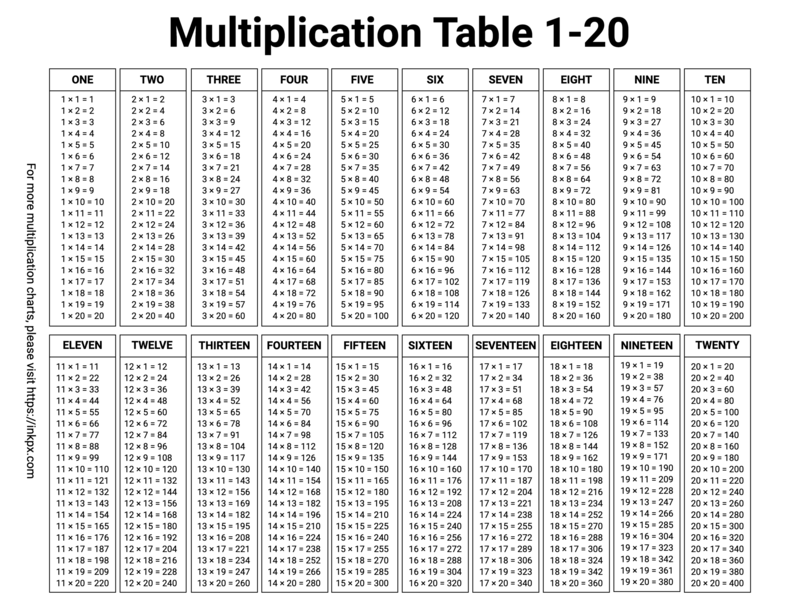
The Utility of a Table of Multiplication 1-20
When you have a comprehensive table of multiplication 1-20 at your fingertips, you bridge the gap between rote memorization and true mathematical fluency. Many teachers and parents find that visual learners benefit significantly from having this grid visible in their workspace during practice sessions. Rather than wasting time counting on fingers or recalculating basic factors, students can verify their work instantly, which reinforces the correct answer through repetition.
Beyond the classroom, these charts are surprisingly helpful for adults managing household logistics, such as calculating dimensions for DIY projects or scaling up recipes. If you are doubling a complex recipe that requires multiplying by seventeen or eighteen, having a ready-reference guide prevents simple errors that could ruin a meal. It serves as a practical tool for anyone who wants to ensure their mental math is sharp and accurate without needing to pull out a calculator for every single task.
Strategies for Using Your Chart
One effective way to engage with the chart is to use it for timed self-challenges. By covering parts of the grid with a piece of paper, you can test your recall of specific prime numbers like thirteen, seventeen, or nineteen, which are notoriously difficult for many to memorize. Consistency is key, and spending just five minutes a day scanning the rows and columns can solidify these facts into your long-term memory far better than an occasional cramming session ever could.
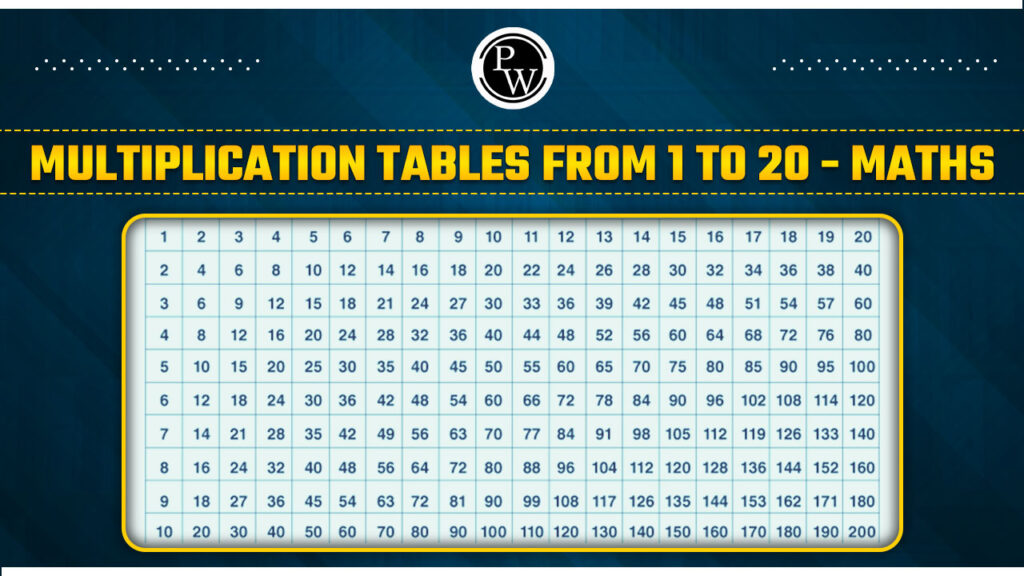
Teachers often suggest using the chart as a scaffold during the early stages of learning multidigit multiplication. As students learn to break down larger numbers into smaller, manageable parts, they can reference the chart to verify the partial products they have calculated. This method builds a foundation of trust in their own reasoning, as they realize that the more complex math is just a series of smaller, familiar facts stacked on top of one another.
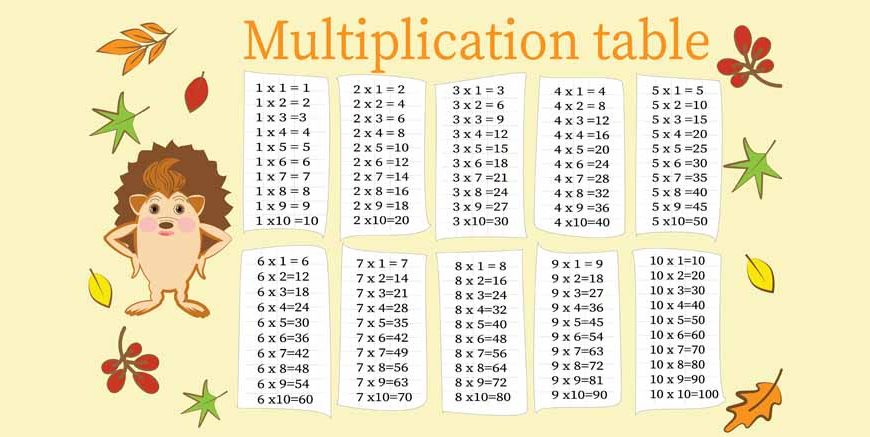
Ultimately, the goal is to make these numbers feel like old friends rather than intimidating strangers. Whether you choose to keep your chart on a clipboard, a folder, or taped to the side of a desk, its value lies in its availability. Keep your tools organized and your practice steady, and you will find that even the higher ends of the multiplication grid become second nature in no time.