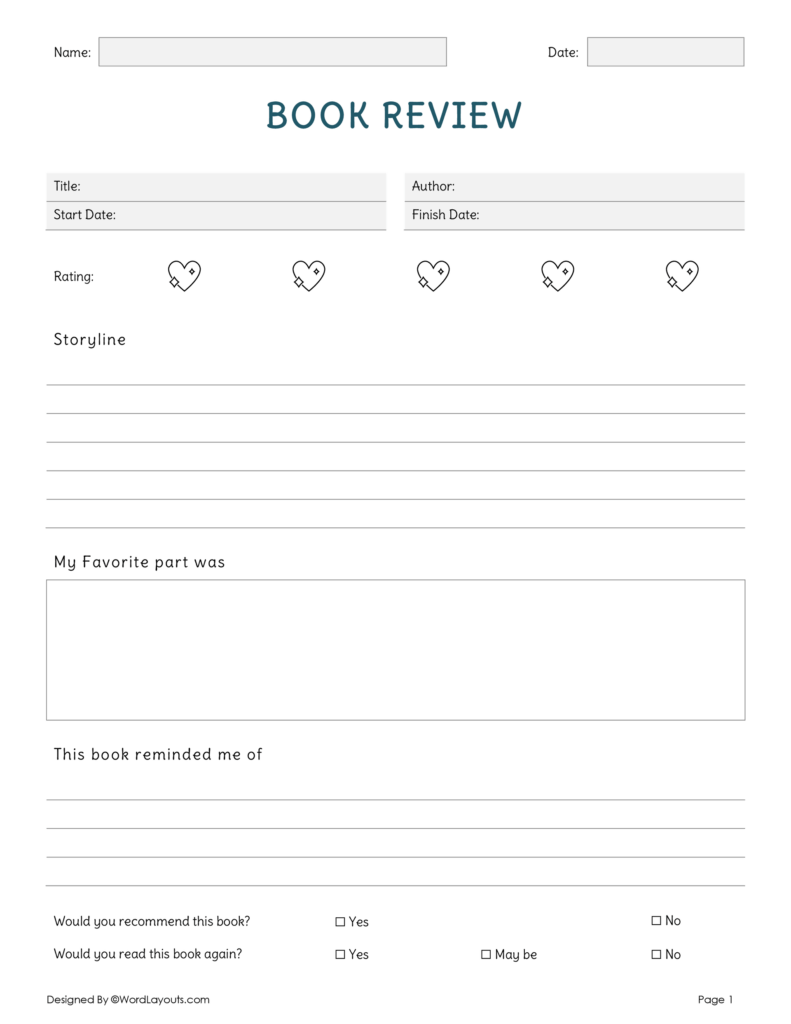
When a child finishes a story, the spark of excitement is the perfect moment to cultivate deeper engagement. Using a structured template for book review helps your student translate their initial enthusiasm into clear, organized thoughts and lasting literacy skills.
We often focus so much on the act of reading that we forget the value of what happens afterward. By encouraging your child to summarize, critique, and reflect, you move them from a passive reader to an active thinker. This transition happens most naturally when you have a reliable framework to guide them, ensuring they don't feel overwhelmed by the blank page.
Why Every Learner Needs a Template for Book Review
Some children are natural storytellers, while others need a bit of nudging to articulate their opinions. A well-designed template for book review acts as a scaffold, providing the necessary boundaries for a nervous writer while offering enough freedom for the creative soul to flourish. It turns the daunting task of writing a critique into a manageable series of questions, fostering independence as they move through the prompts at their own pace.
I find that the most effective way to use these resources is through consistent, low-pressure repetition. Don't feel the need to assign a review for every single book read, as that can quickly drain the joy out of leisure reading. Instead, keep a few printed copies on hand and invite your child to use one when a story really moves them or when you are building a specific portfolio of their literary journey throughout the school year.
Adapting the Format for Different Ages
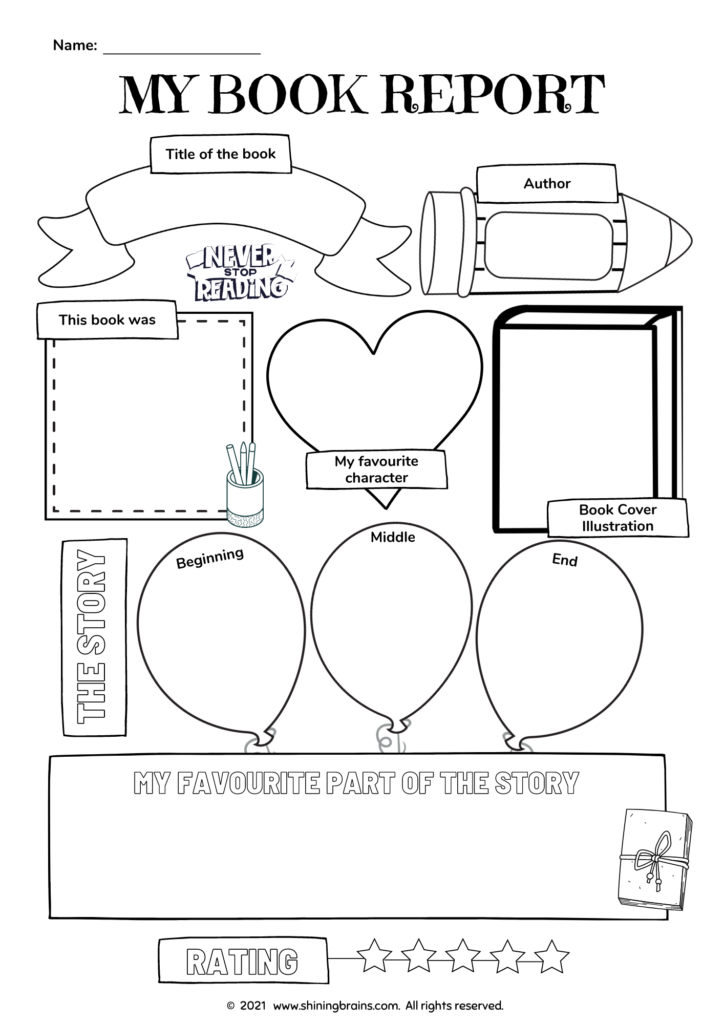
Flexibility is the cornerstone of a successful home education environment. For your younger learners, you might look for a format that emphasizes illustrations and simple star ratings, allowing them to draw their favorite scene rather than writing a full paragraph. As they grow more confident in their writing, you can introduce sections that require them to identify the protagonist’s motivations or predict an alternate ending to the narrative.

Consider using these reviews to initiate meaningful dialogue during your afternoon read-alouds or weekly check-ins. If your student struggles to fill out a section, don't rush to provide the answer; instead, ask them a probing question about the character's choices to help them discover the answer themselves. This collaborative approach transforms a simple assignment into a memorable discussion that deepens the bond between you and your child.
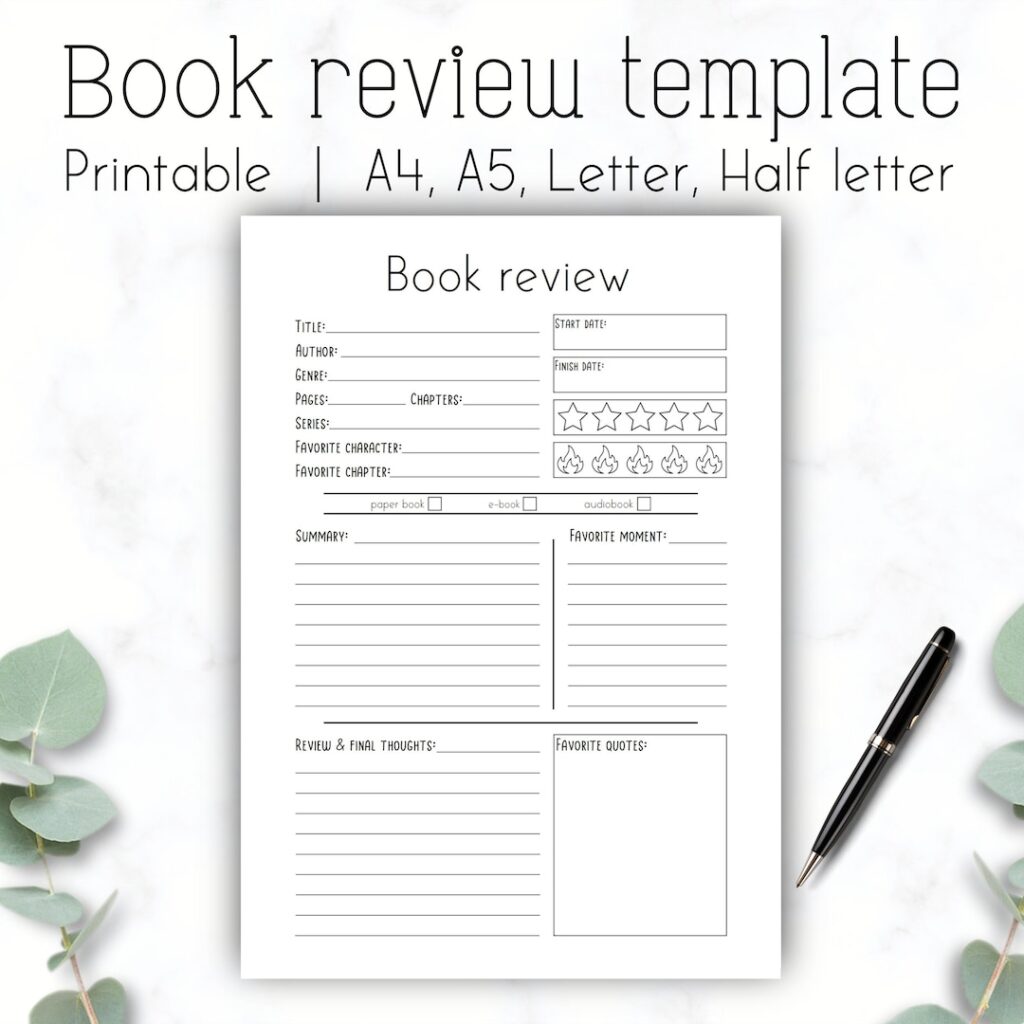
Ultimately, your goal is to help your child develop a voice that is uniquely their own. By providing a clear structure, you allow them to focus their energy on the substance of their critique rather than the mechanics of how to write it. Over time, you will notice their vocabulary expanding and their ability to analyze complex plots sharpening, proving that these simple tools are essential building blocks for a lifetime of thoughtful engagement with literature.