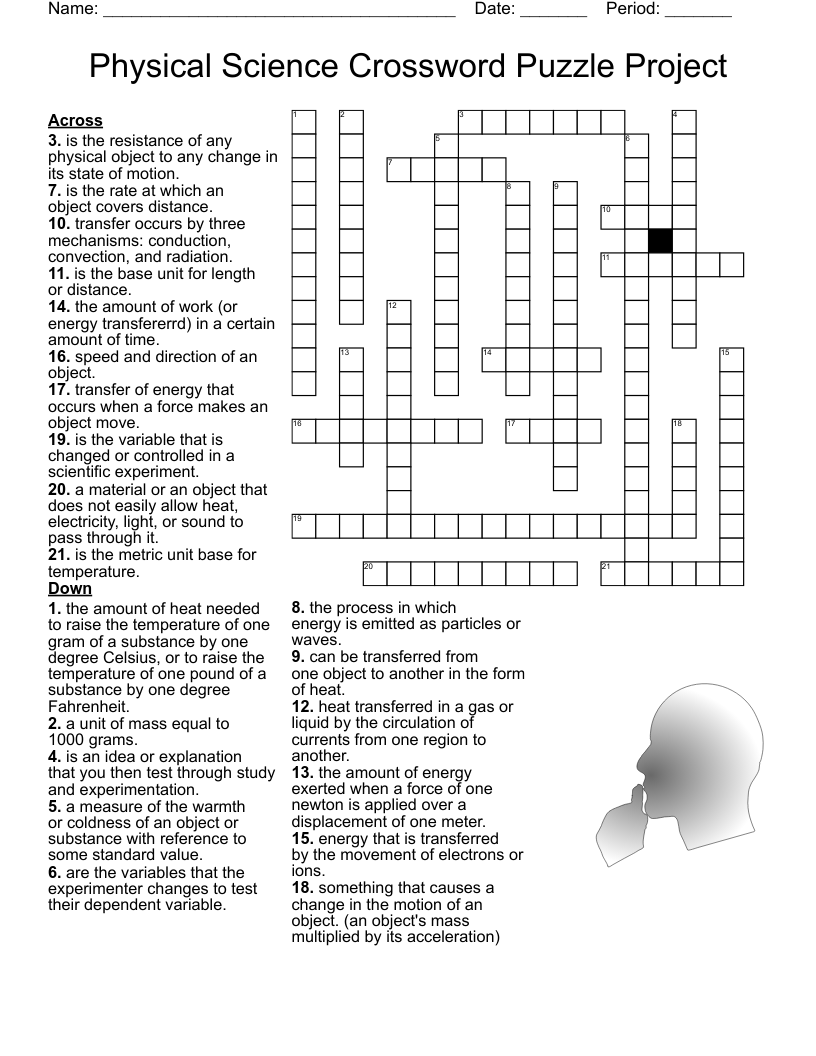
What if the next worksheet came with a mystery? By shifting our perspective, we can transform standard physical science vocabulary worksheets from routine tasks into captivating investigations where children act as detectives searching for scientific truths.
When a child hears that they must complete a worksheet, their posture often shifts toward passive compliance. However, if you frame these documents as top-secret files requiring an expert eye, you change the cognitive goal from mere completion to active investigation. By treating physical science vocabulary worksheets as dossiers of evidence, you invite the child to assume the role of an investigator who is searching for answers that are hidden in plain sight.
The Case Begins
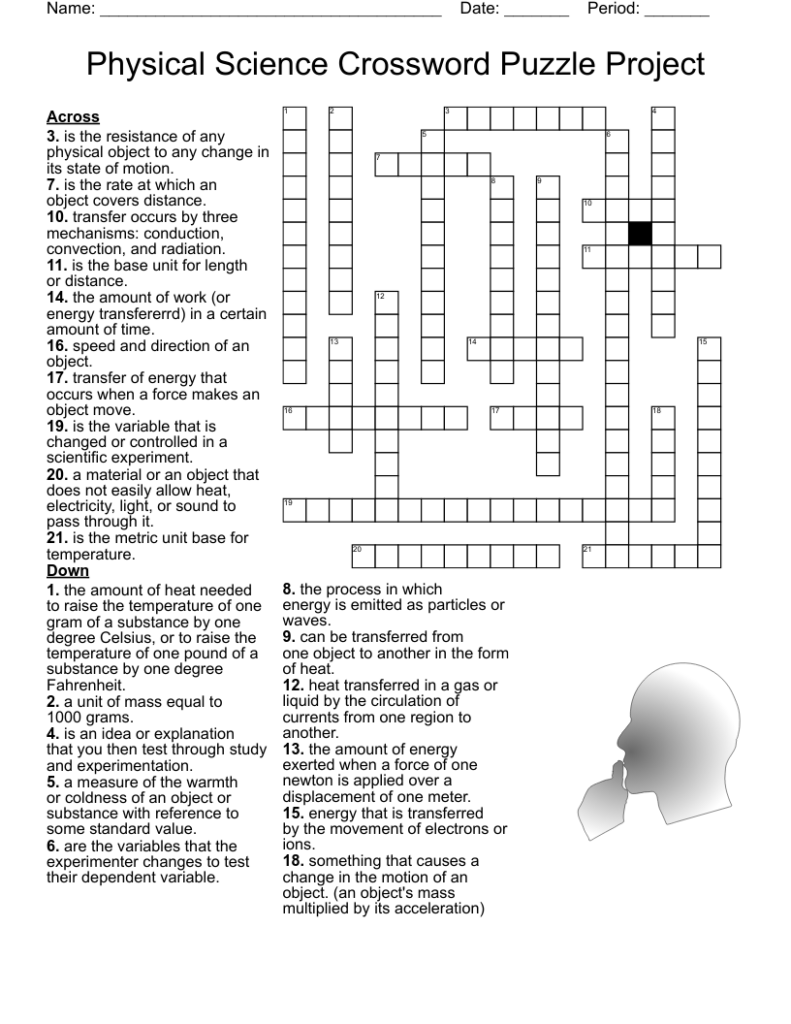
To initiate the investigation, provide the child with a magnifying glass or a detective badge to set the mood for discovery. Hand them the physical science vocabulary worksheets as if you are a field agent passing along critical intel that needs to be analyzed before the deadline. You might tell them that the vocabulary words are like elusive suspects hiding in the text, and their job is to track them down using the clues provided by the definitions and context sentences.
Before any ink touches the paper, encourage the child to look for patterns, semantic clues, and relationships between the terms. For instance, if they are investigating terms like friction, velocity, or mass, ask them to scan the entire page first to see how the words relate to one another. This initial observation phase ensures that they are not just guessing randomly, but are instead looking for connections that make the final definitions clear and logical.
Solve the First Challenge
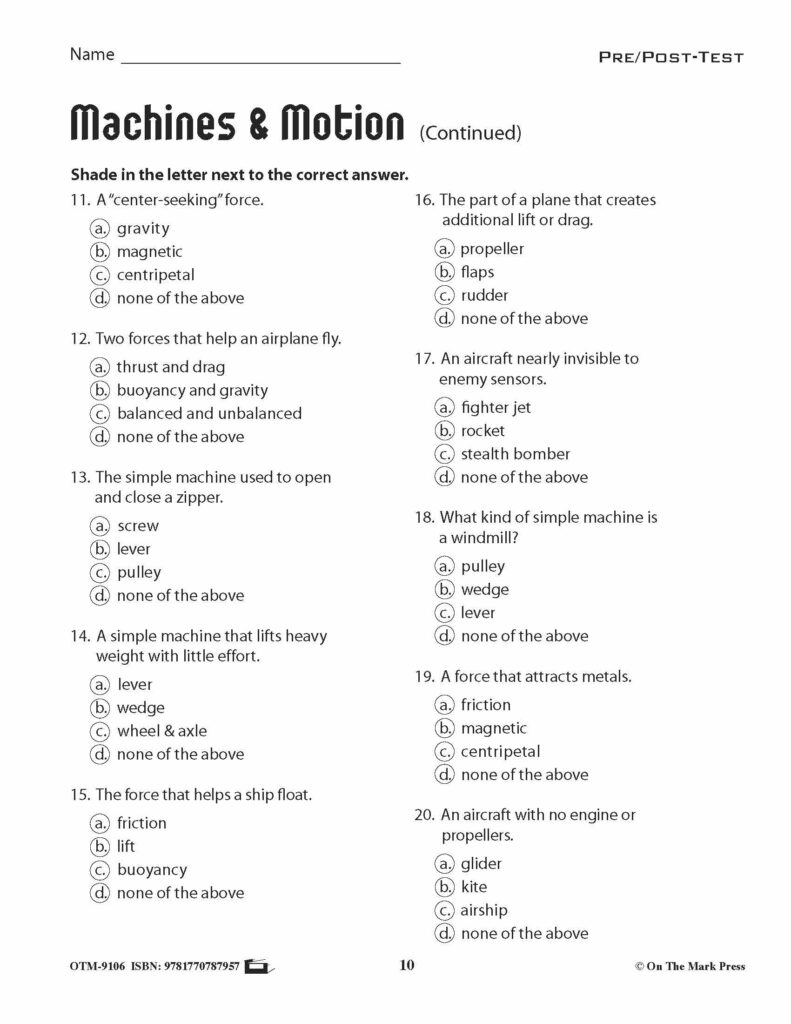
Start the investigation by tackling a word match activity as a high-stakes puzzle that must be solved. If the physical science vocabulary worksheets ask to match 'inertia' with its definition, challenge the detective to find the evidence in their textbook or class notes first. By requiring them to cite their sources—just like a detective finding a fingerprint—you validate their answers and make the process feel rigorous rather than repetitive.
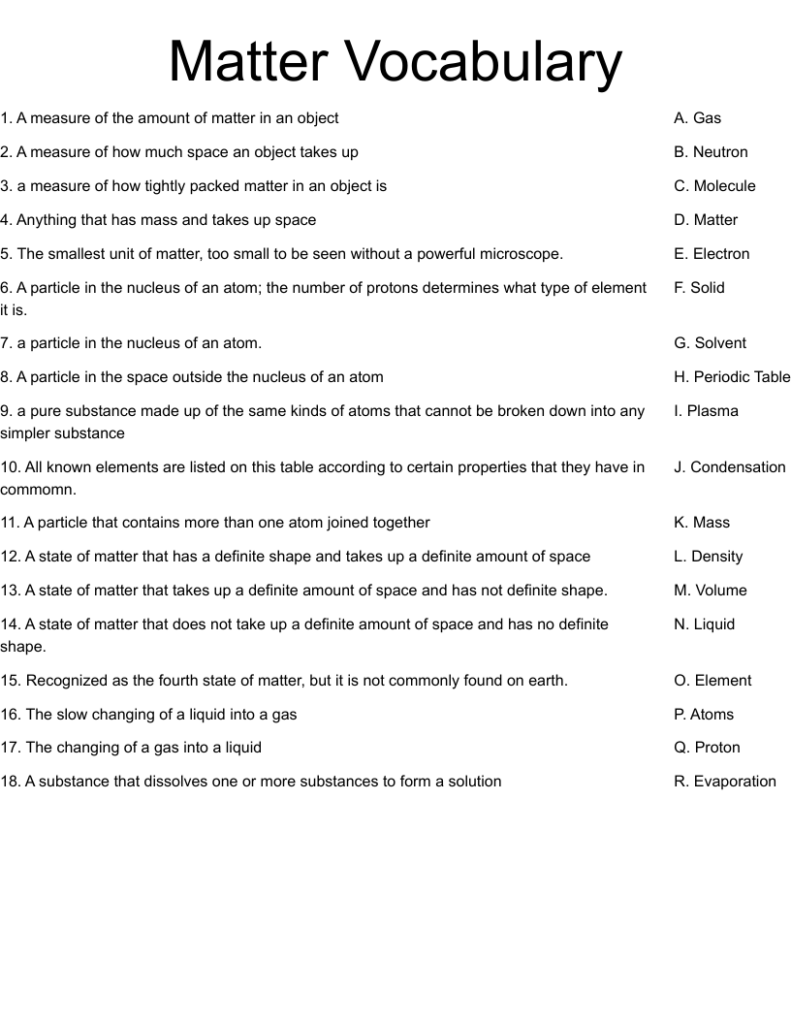
Give the children a modified version of the worksheet that contains intentional errors and ask them to act as forensics experts. By presenting a filled-out sheet with incorrect definitions or mismatched labels, you force them to inspect the evidence with a critical eye. Asking them to spot where the previous inspector went wrong turns the physical science vocabulary worksheets into a training manual for accuracy and attention to detail.
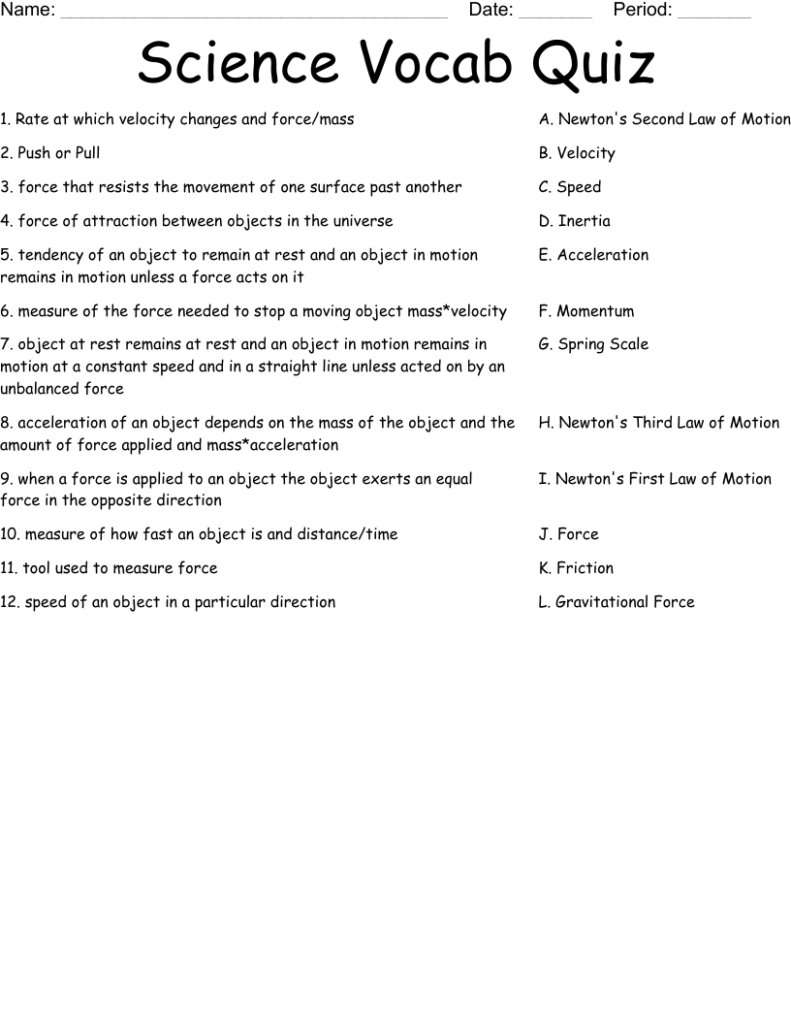
The final stage of the investigation requires the detective to write a brief report explaining their findings. Ask the child to explain why a particular word fits a definition, which encourages them to synthesize their knowledge rather than just copying a phrase. When a student must justify their answers using the evidence found in their physical science vocabulary worksheets, they solidify their understanding and turn the activity into a meaningful demonstration of their scientific reasoning skills.