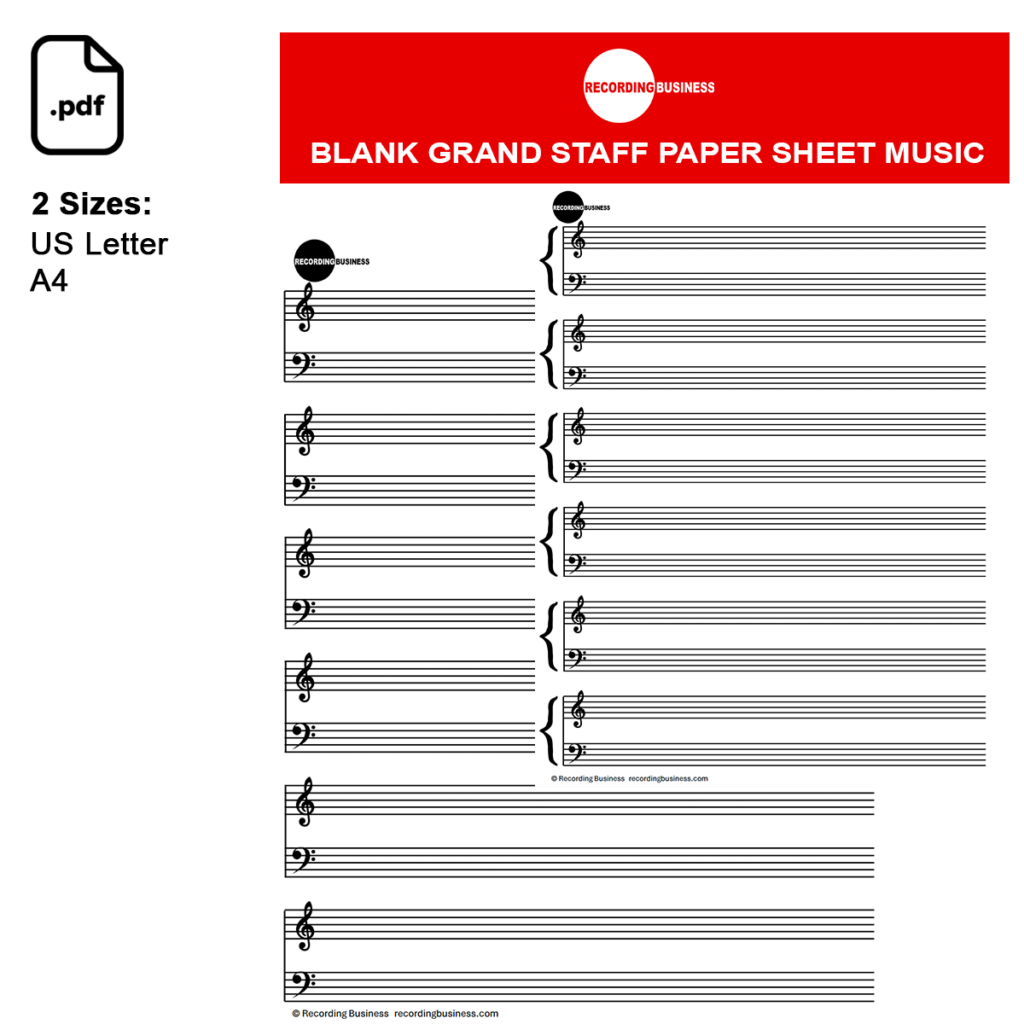
High-quality free music staff paper provides an immediate, low-cost solution for transcribing melodies, sketching compositions, or completing music theory assignments. These printable templates allow musicians to bypass expensive notation software when working on paper-based drafts.
Musicians often require a quick way to jot down musical ideas during rehearsals or teaching sessions. Printing your own sheets ensures you have the exact layout required for your specific instrument, such as grand staff for piano or single staves for monophonic instruments. Keeping a supply on hand prevents the interruption of your creative flow when inspiration strikes outside of a studio environment.
Why You Need Free Music Staff Paper
The primary benefit of using free music staff paper is the ability to customize your workspace to match your current project. Composers often prefer different spacing or staves-per-page counts depending on whether they are writing a full orchestral score or a simple vocal melody. Having access to various formats allows for better legibility when reviewing handwritten notes later, which is critical for long-term project development.
Students and educators utilize these resources to reinforce theoretical concepts through manual notation. Handwriting music helps improve memory retention and deepens the understanding of rhythm, intervals, and harmonic structures. By printing these pages locally, you can adjust the size of the staves to accommodate younger students who may need larger lines for clarity.
Choosing the Right Layout
Selecting the correct staff configuration is essential for maximizing productivity during the writing process. For piano students, look for layouts that group two staves together with a bracket, as this mimics the standard keyboard notation format. Conversely, songwriters focusing on lead sheets should seek paper that includes space for chord symbols above the staff lines to keep the arrangement organized.
When you print these documents, use high-quality paper to ensure that ink does not bleed through to the other side. A standard weight paper is usually sufficient, but choosing a matte finish can make it easier to erase graphite marks without damaging the staff lines. Organizing these pages into a binder creates a portable, professional-looking portfolio of your original work.
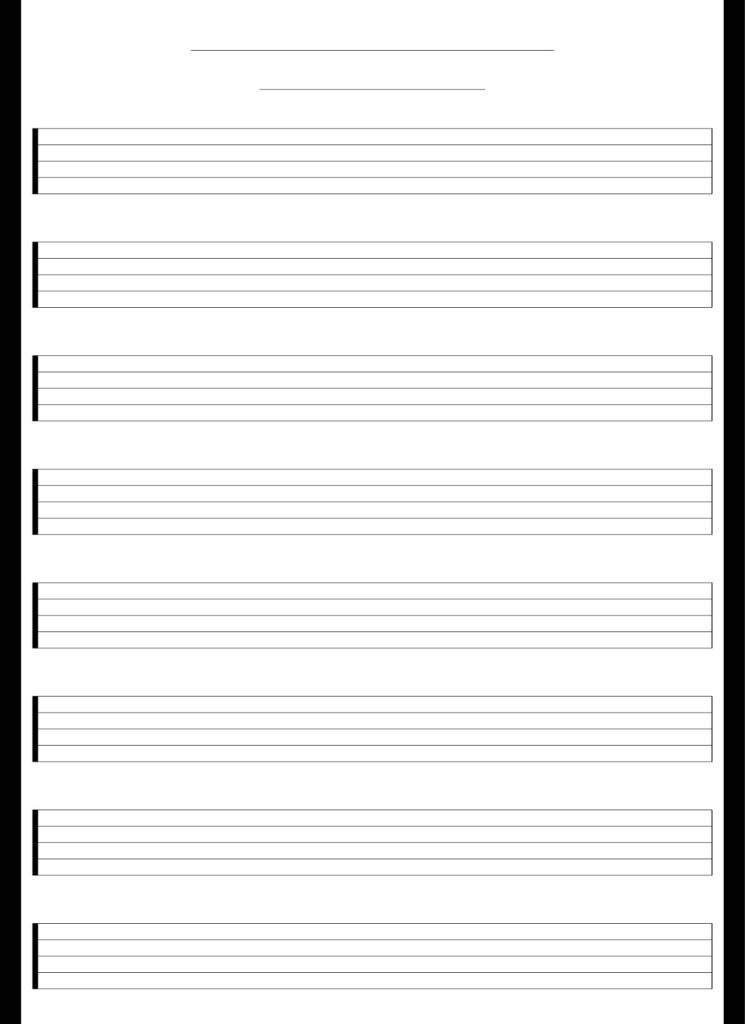
Consistent use of a standard format helps maintain consistency in your archives. Whether you are arranging a complex piece for a choir or transcribing a folk tune, keeping your work on uniform pages simplifies the eventual migration to digital notation software. Relying on accessible, printable tools keeps the focus on the music itself rather than the technical complexities of expensive digital recording environments.