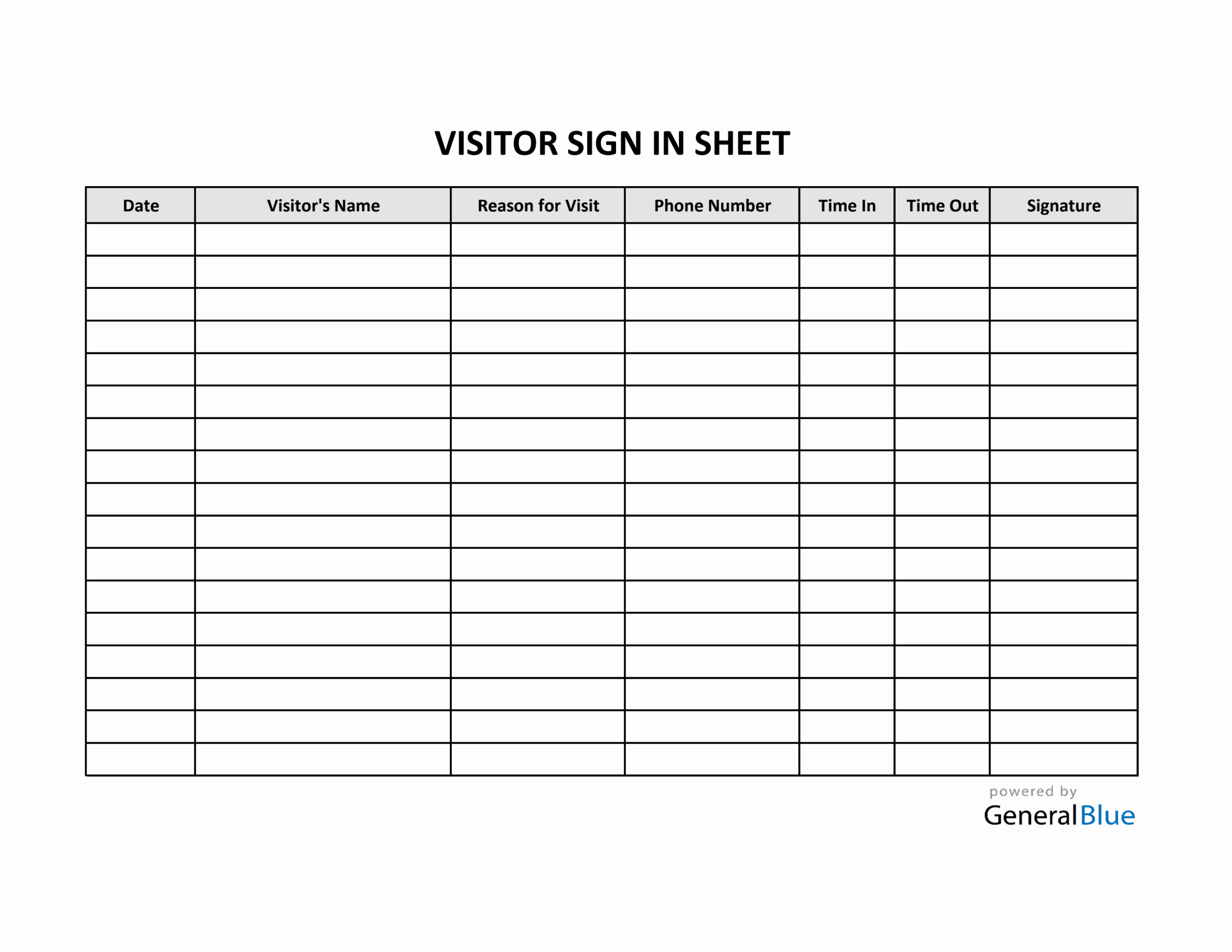
Our home learning environments thrive when we establish small habits that foster independence. Using sign in sheets printable resources is a gentle way to introduce accountability to our children while keeping our busy homeschool days organized and intentional.
I have found that the simplest tools often provide the most significant breakthroughs in a child's development. By placing a sheet by the door or on the workstation, you invite your student to acknowledge their presence and start their day with a focused, deliberate action. This ritual serves as a foundational step toward time management, helping them transition from their morning routine into their structured academic work with a sense of purpose rather than just drifting into lessons.
Why We Utilize Sign In Sheets Printable Tools
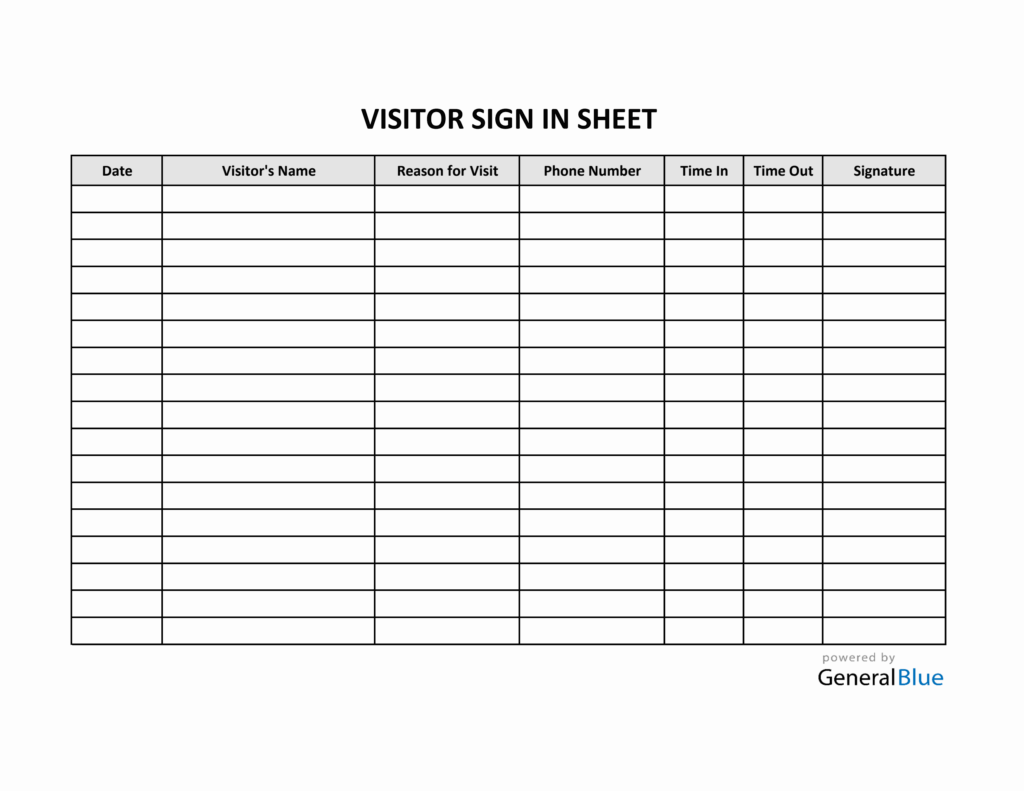
Beyond the basic utility of tracking attendance, these documents become a tactile record of growth over the school year. You might adapt these pages for various subjects, perhaps using one for morning basket discussions or another for independent reading logs. The physical act of signing their name offers a moment of repetition that reinforces personal responsibility, which is a core virtue I always encourage in our homeschool journeys.
We can tailor these resources to meet the specific developmental stage of each learner. For a younger child, you might opt for a larger grid with extra space for them to practice their handwriting as they sign in. For a teenager, you could integrate columns for them to note the start time of their day, which helps them build the habit of self-monitoring their own academic schedule without you needing to hover over them constantly.
Practical Applications for Your Learning Space
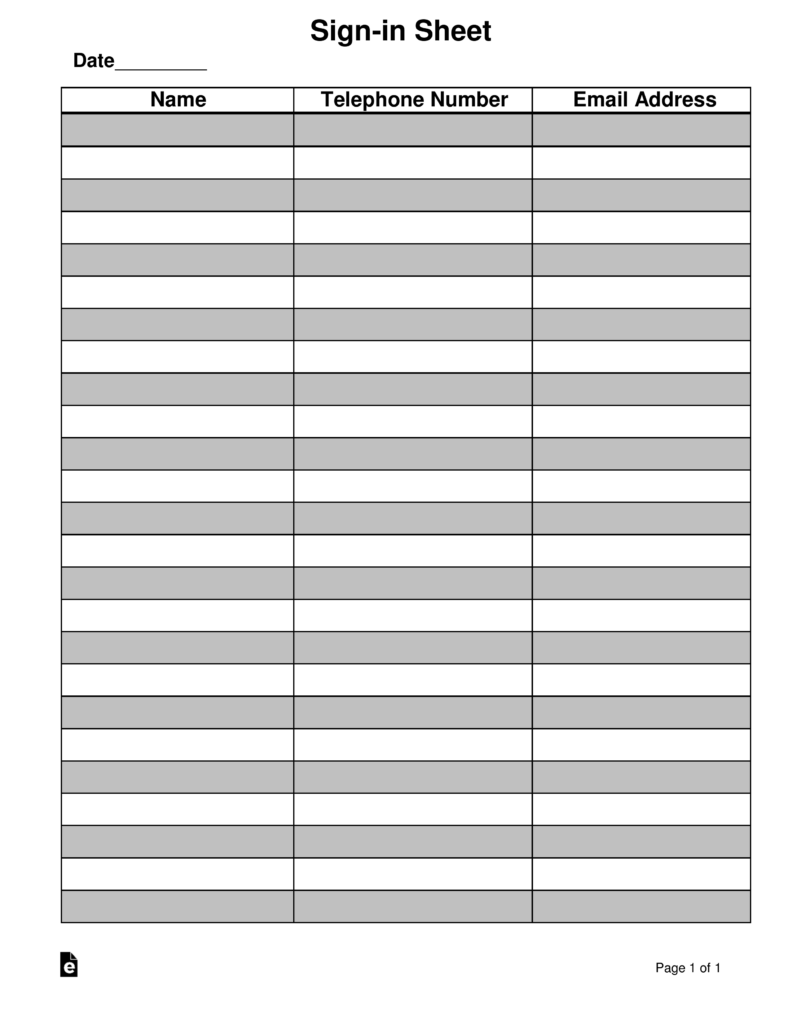
In a homeschool cooperative setting, using a sign in sheet helps everyone feel like part of a larger community effort. It creates a professional yet warm atmosphere where students and parents alike can track participation, ensuring that everyone remains engaged with the material. I find that when we treat our gathering space with this level of care, the children naturally mirror that respect for their environment and the time we spend learning together.
Consider how you can iterate on this practice as your student grows more capable. You could add sections for them to jot down one thing they are excited to learn that day or a quick reflection on yesterday's science experiment. This turns a simple administrative tool into a dialogue between you and your child, providing a bridge for communication that might otherwise be overlooked in the rush of daily lessons.
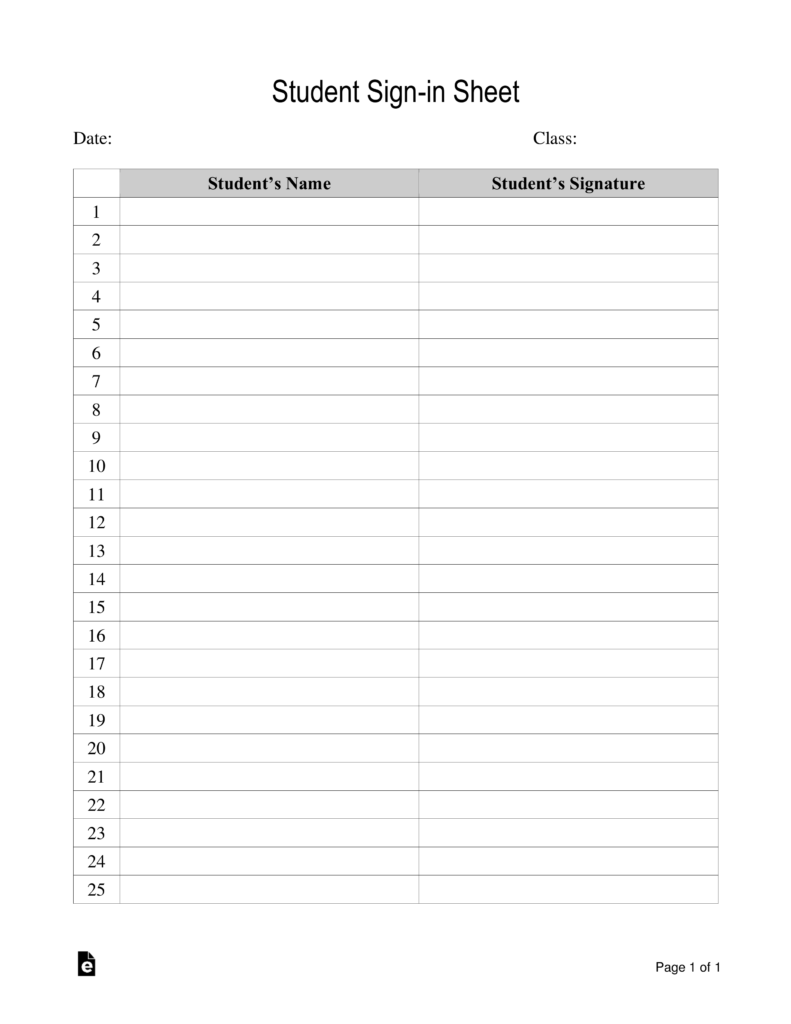
Ultimately, the tools we bring into our homes should serve our unique rhythm rather than dictating it. Choose a design that speaks to your family culture, keep it accessible, and enjoy the quiet confidence your children gain as they take ownership of their daily arrival. By maintaining this simple practice, you are weaving a thread of consistency into the beautiful, flexible tapestry of your homeschool life.