Most adults approach education with a laser focus on the final grade, obsessing over whether an answer is right or wrong. However, we should be asking a much more transformative question: what can the mistake actually teach us during the process of learning?
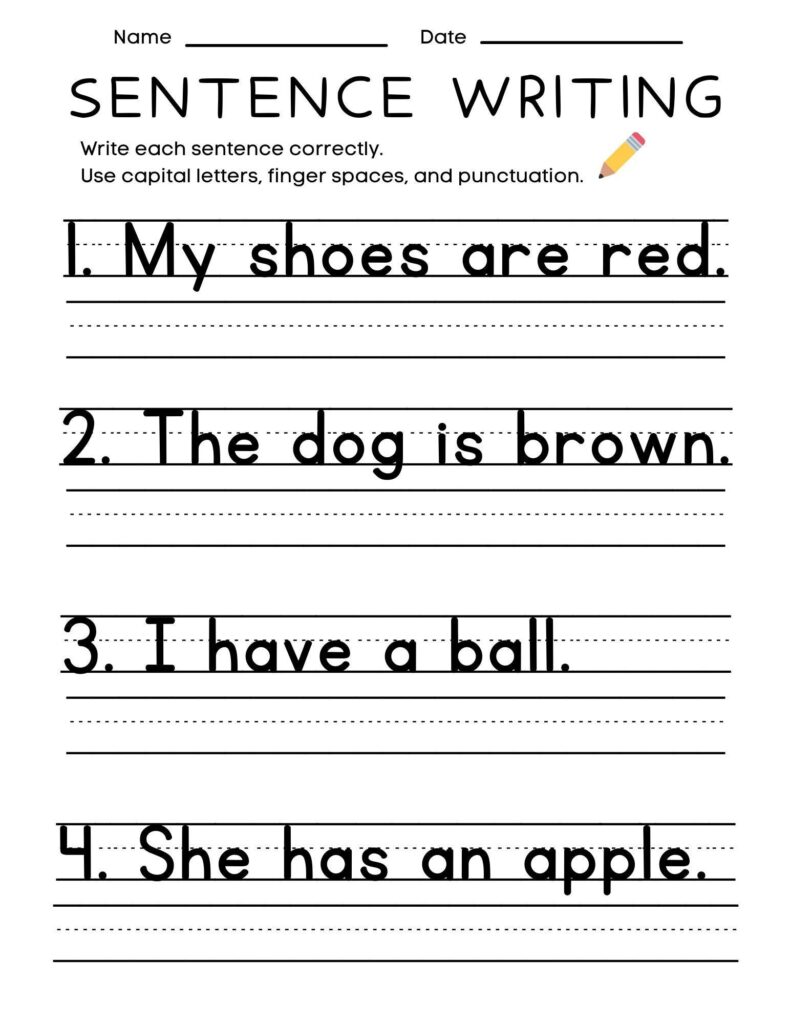
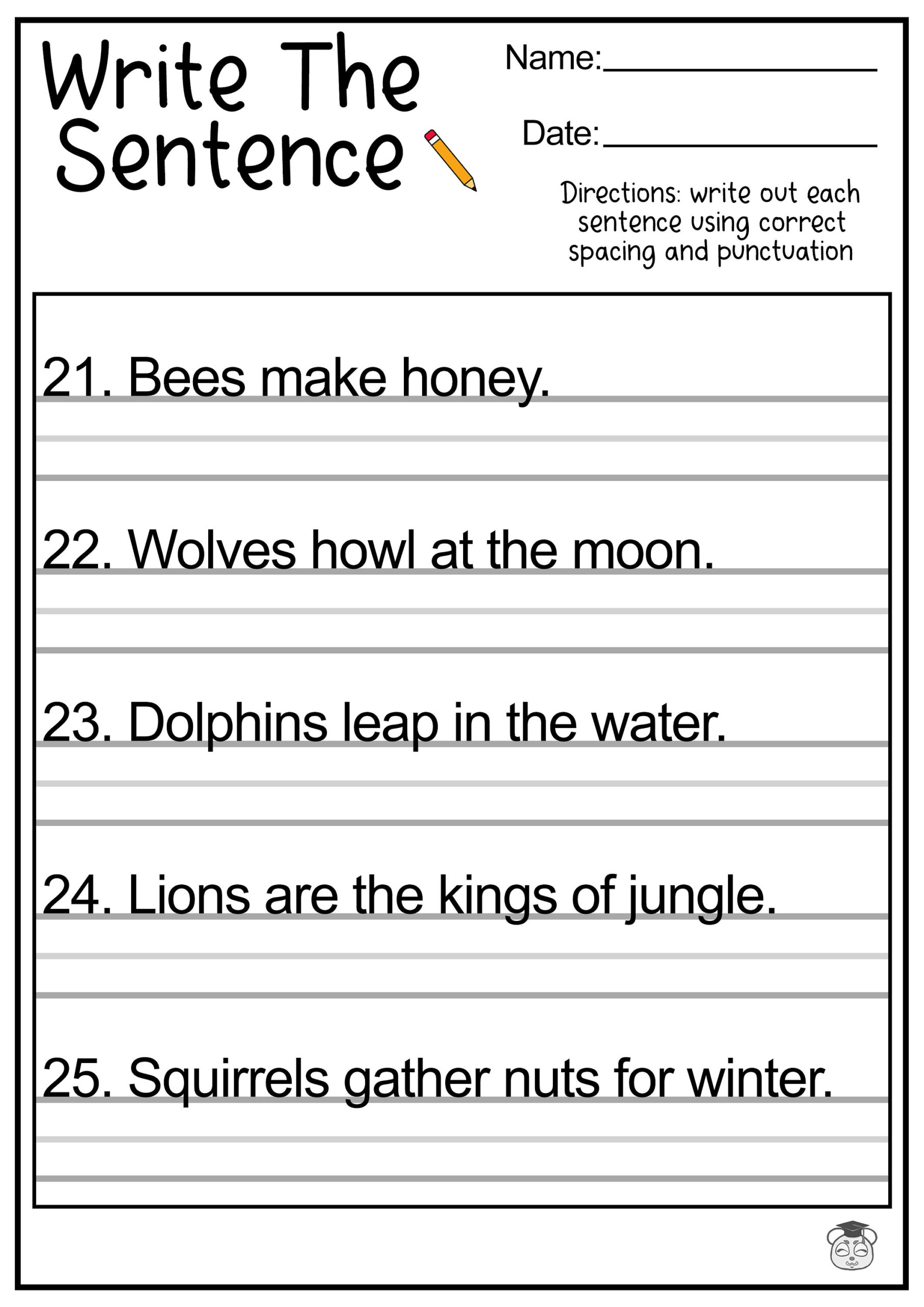
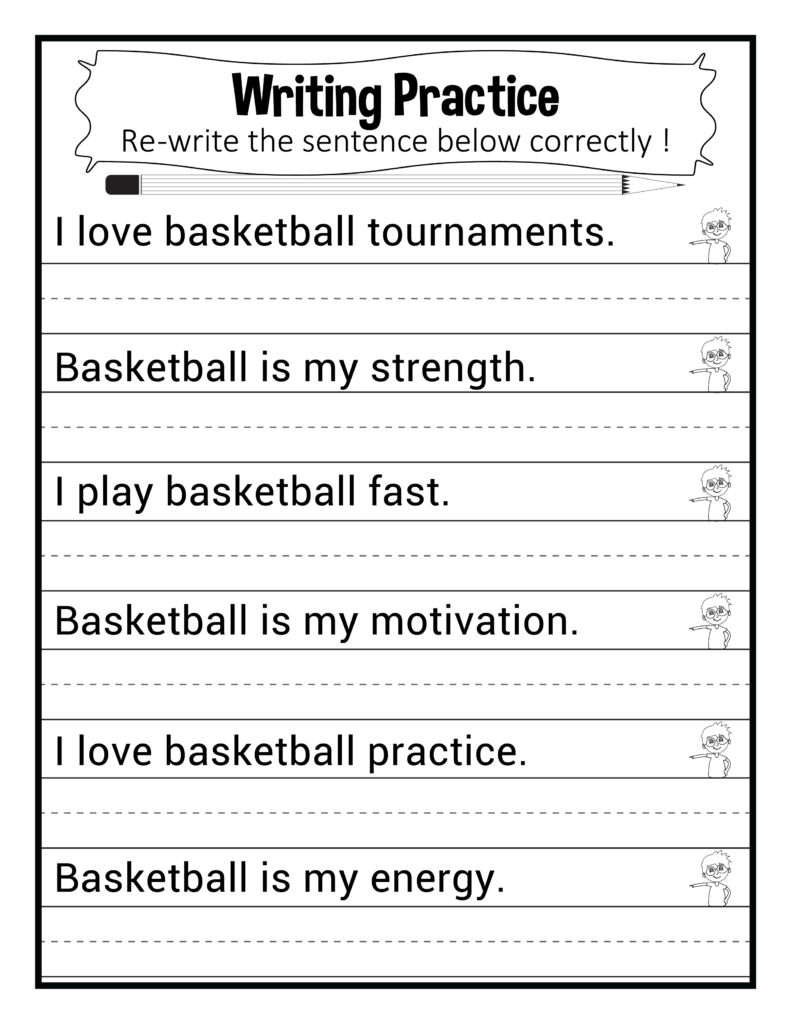
When a child sits down to work on simple sentence writing worksheets for kids, their errors are rarely just evidence of failure. Instead, these marks serve as a window into the child’s thought process, revealing specific points of confusion, forgotten grammar rules, or simple, careless oversights. By treating a misplaced capital letter or a missing period as data rather than a mark of shame, parents and teachers can uncover exactly where the child's understanding broke down. This perspective shifts the goal of the worksheet from mere completion to genuine cognitive exploration.
Why Mistakes Contain Information
An incorrect answer is a map that shows us where the child's logic diverged from the intended lesson. For instance, if a student consistently omits the subject in a sentence, it suggests they do not yet fully grasp the necessity of the actor within the action. When we analyze these patterns, we stop seeing a messy page and start seeing a roadmap for personalized instruction. Each mistake provides the specific information needed to tailor the next lesson, ensuring that the child is not just memorizing answers but truly understanding the architecture of language.
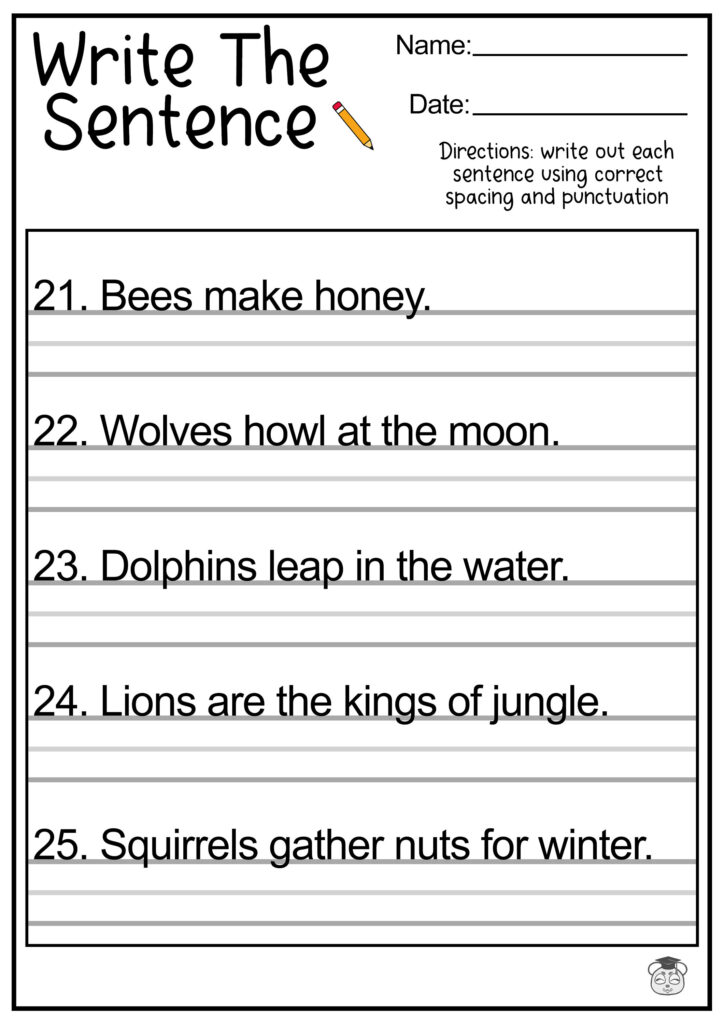
One of the most common habits adults have is to jump in with the correct answer the moment they spot a mistake. While this feels helpful, it actually robs the child of the cognitive struggle necessary for deep learning to take root. If you provide the solution instantly, you effectively bypass the child's internal reasoning, leaving them with an answer but no strategy for solving similar problems in the future. By holding back, you give the student the space they need to wrestle with the material, which is where the real brain work happens.
Ask Better Questions
Instead of handing over the correct answer, transform the moment into a conversation by asking probing questions that guide the child back to the source of their confusion. You might ask them what made them choose a specific word order, or which part of the task felt the most confusing to them. Encouraging them to search for a new clue or asking if they could solve the puzzle in a different way prompts them to engage in self-correction. These questions empower the child to become an active participant in their own learning process rather than a passive recipient of corrections.
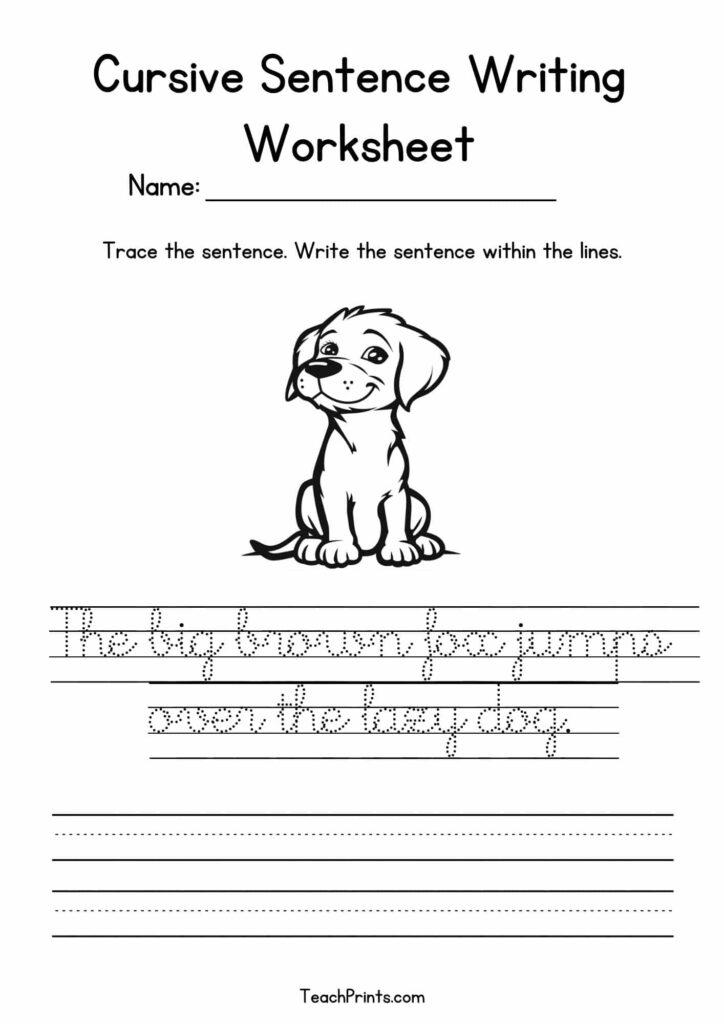
Turn your routine for simple sentence writing worksheets for kids into a deliberate correction lab by fostering a culture of experimentation. After the child completes a section, encourage them to review their work with a fresh perspective, acting as an editor rather than a student who was tested. By labeling their first draft as an 'exploration' and their second attempt as a 'refinement,' you take the pressure off the outcome. This process teaches children that writing is an iterative craft and that even professional authors require several rounds of polishing before a piece of work is ready for its final form.
The most effective way to help a child appreciate their progress is to encourage them to compare their first attempt side by side with their second. When they see the evolution of their sentence structure—perhaps moving from a fragmented thought to a complete, grammatically sound sentence—it creates a sense of accomplishment that a perfect score on the first try never could. Establishing a 'Mistake Detective' routine, where the child identifies one 'mystery' on the page and solves it, turns the worksheet into a game. This simple habit keeps them engaged and turns the inevitable bumps in the road into milestones of their development.