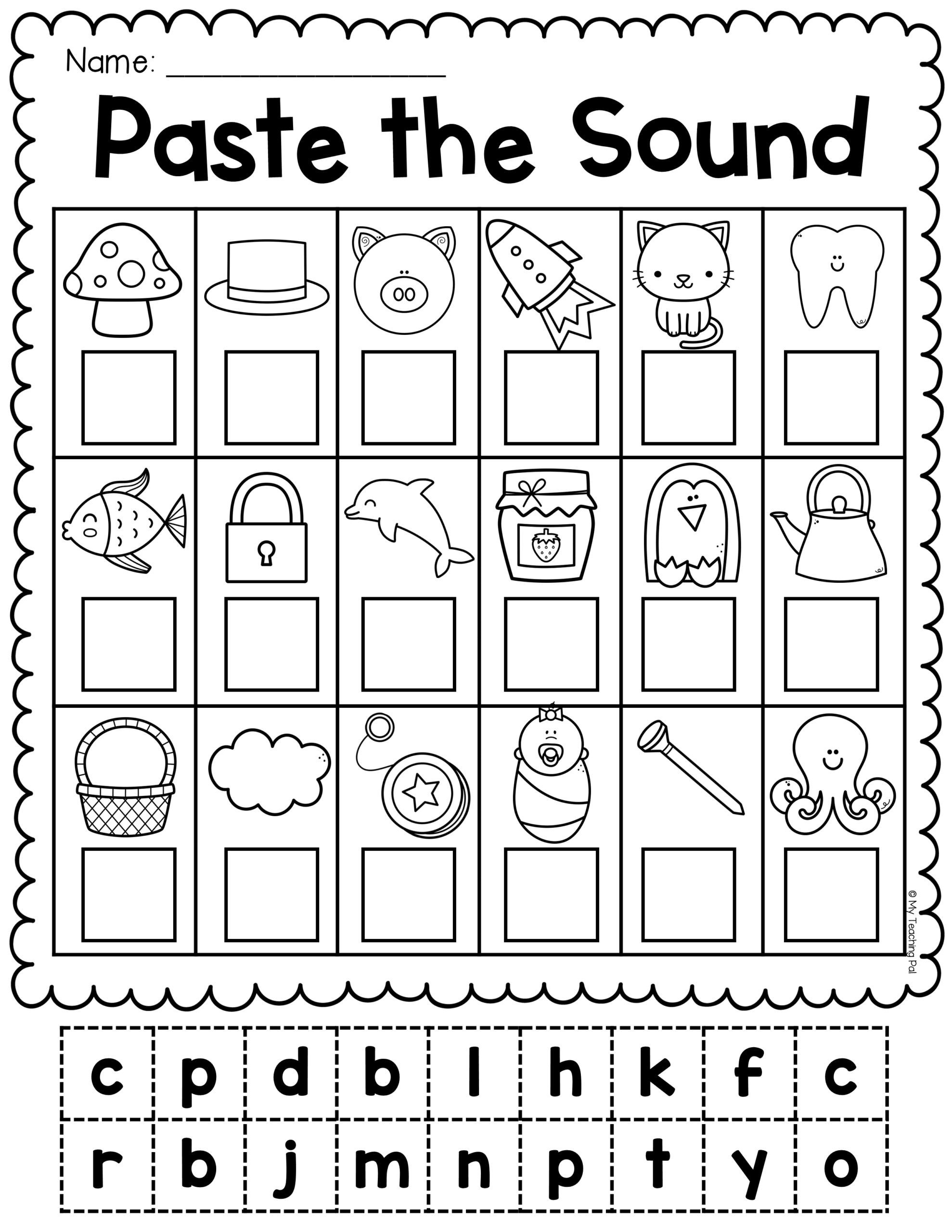
Many adults focus heavily on whether an answer on a page is right or wrong, viewing a red mark as a signal of failure. We often overlook a much more important question: What can the mistake teach us? This shift in perspective transforms sound worksheets for teachers from tests into tools.
When a student makes an error on a phonics exercise, it is rarely random chaos. Instead, an incorrect answer serves as a vital data point that reveals where a student's mental bridge has collapsed. Whether it is a misunderstanding of a vowel rule, a simple lapse in concentration, or a deeper confusion about phonetic patterns, the error tells a specific story about the learning process.
Why Mistakes Contain Information
Teachers and parents often feel a reflexive urge to correct a child the moment they see a wrong answer. However, providing the answer immediately effectively removes the child's opportunity to engage in critical thinking. By rushing to fix the error, we deny the learner the chance to grapple with the material, which is where the real cognitive growth actually happens.
Instead of marking an answer wrong and moving on, try asking open-ended questions that force the student to evaluate their own logic. Asking questions like what made you choose that answer, which part was confusing, or can you find another clue, invites the child to become an active participant in their own correction. You can also ask them to try solving it another way or to describe what they would change if they had to redo the problem.
Turn sound worksheets for teachers into a correction lab
Transforming the classroom atmosphere into a laboratory requires treating sound worksheets for teachers as drafts rather than final assessments. Encourage students to identify their own errors by comparing their initial responses against a reference guide or a shared class anchor chart. This process fosters a sense of agency, turning the correction stage into a low-stakes investigation rather than a punitive exercise in erasing the past.
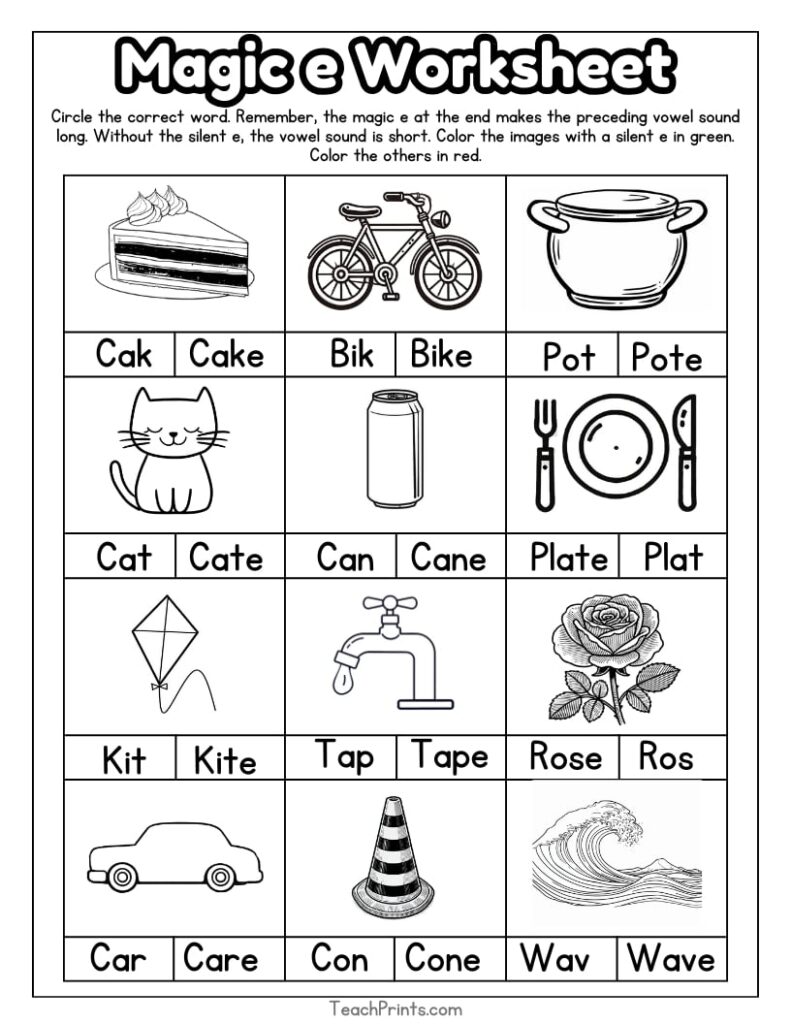
Once a student has identified the source of an error and corrected it, have them place the first attempt alongside the second. By physically observing their own improvement, children gain a tangible sense of their own growth and resilience. This side-by-side comparison validates that learning is a nonlinear process, reinforcing the idea that progress is measured by the evolution of understanding rather than just a perfect score.
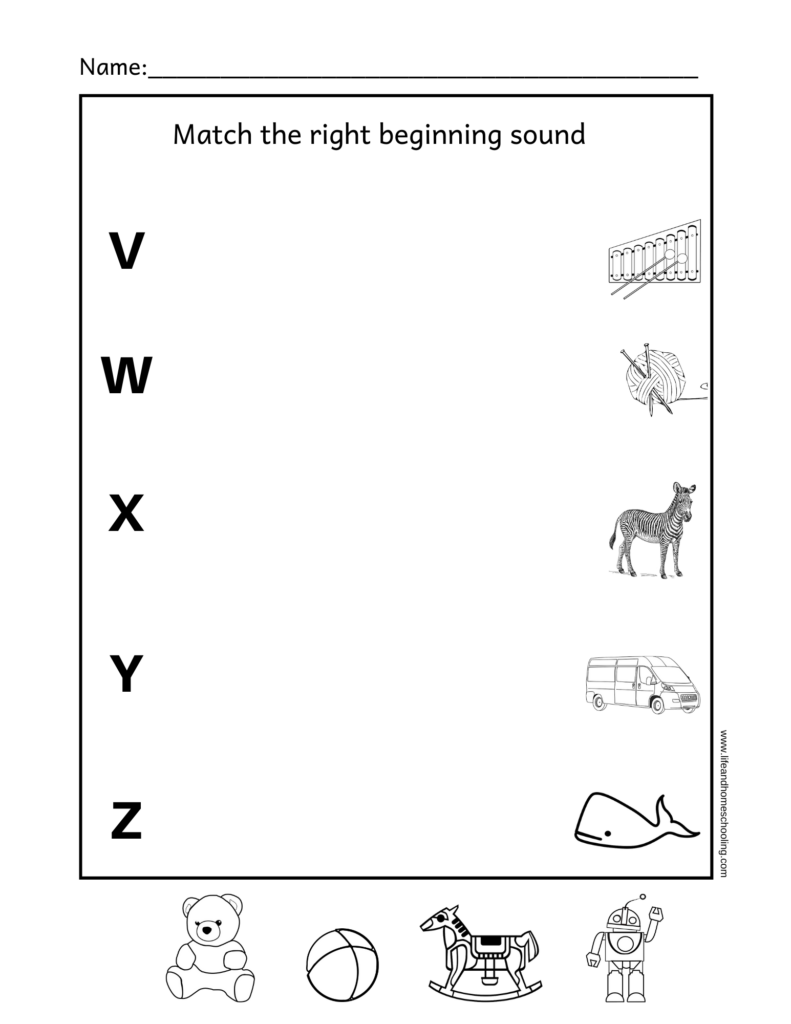
The Mistake Detective routine is a simple, repeatable activity where students act as investigators looking for patterns in their past errors. By reviewing sound worksheets for teachers at the end of the week, students can categorize their mistakes into groups like simple slips or concept confusion. This meta-cognitive exercise helps students regulate their emotions regarding failure, showing them that even the most difficult concepts become manageable when approached with a detective’s curiosity.