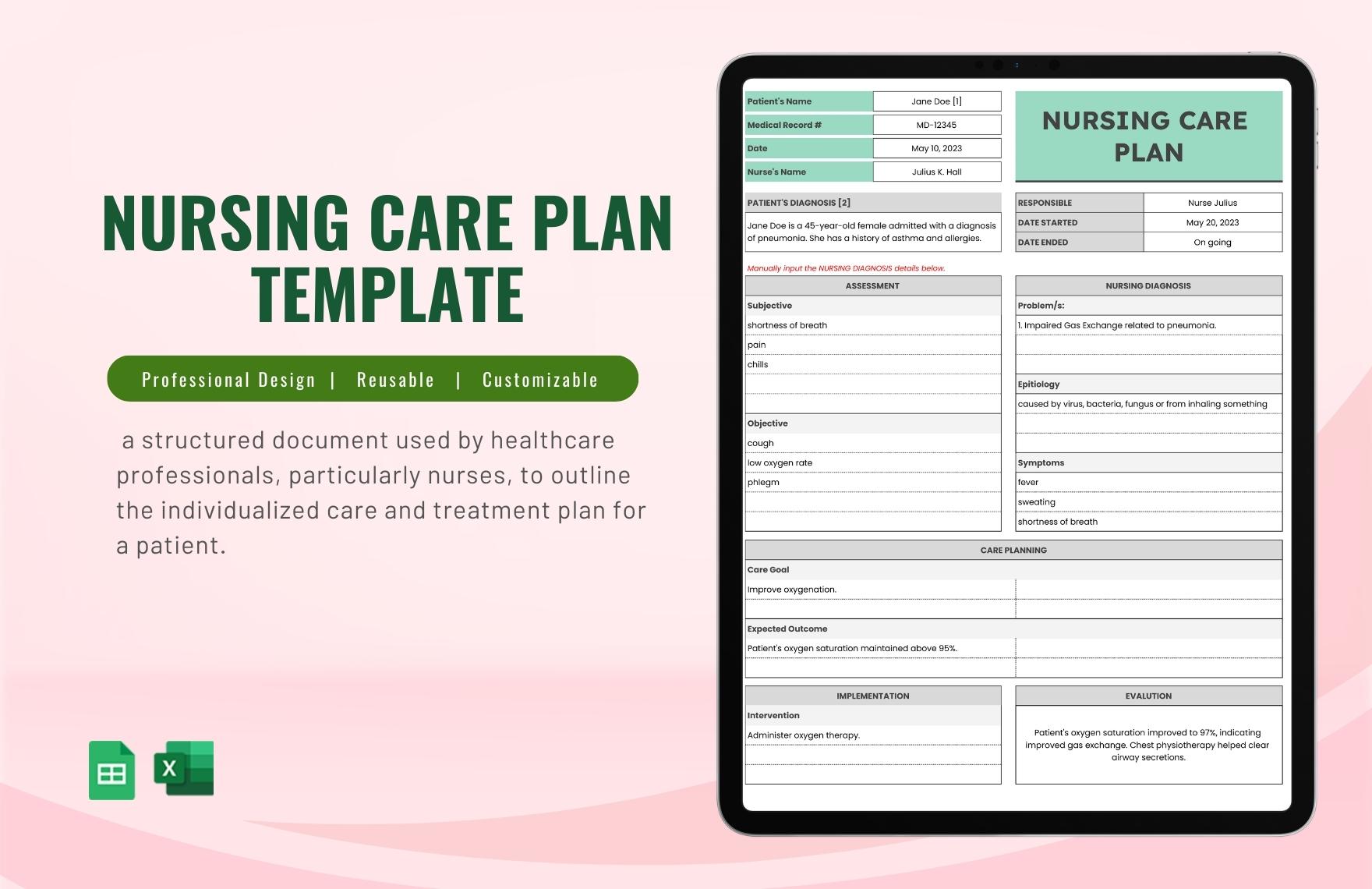
When you are managing a loved one's health at home, the flood of medications, appointments, and daily tasks can feel overwhelming. Using a nursing care plan template is a simple, effective way to reclaim your peace of mind and ensure nothing vital slips through the cracks.
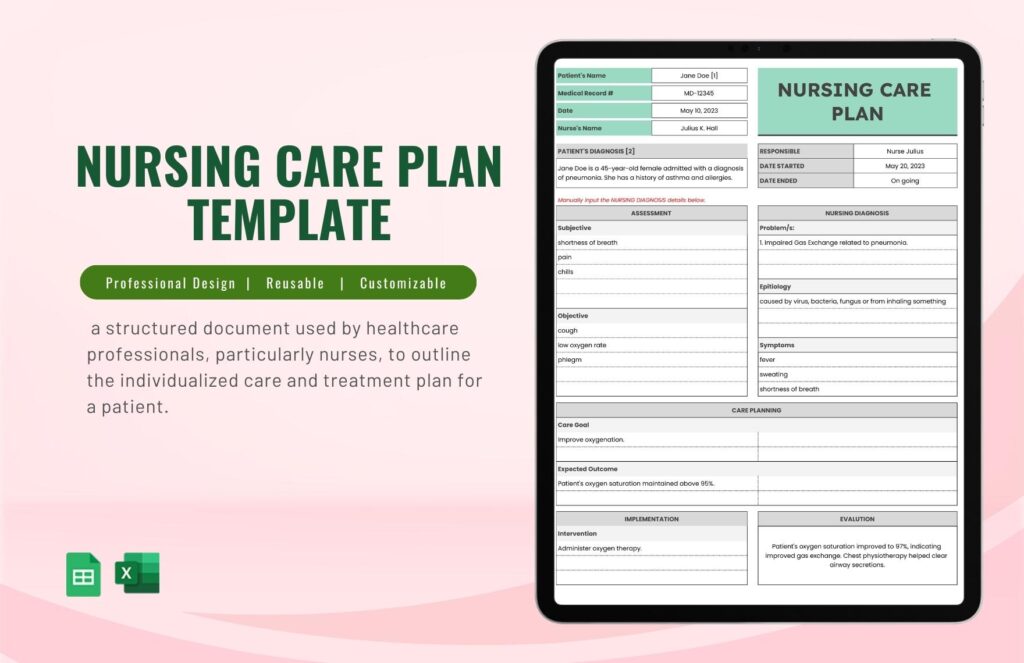
I remember the exact moment I realized I couldn't keep my child's medical information in my head anymore. Between tracking dosage timing, monitoring symptoms, and recording physical therapy progress, my brain felt like a browser with too many tabs open. That was when I started using a structured nursing care plan template to organize the chaos. It turned my scattered mental notes into a clear, actionable guide that I could share with other caregivers, babysitters, or visiting nurses without having to explain the entire situation from scratch every single time.
Why a Nursing Care Plan Template Changes Everything
The beauty of this resource is that it acts as a central nervous system for your caregiving routine. Instead of hunting through different apps or sticky notes, you have one dedicated space to document baseline vitals, scheduled medications, and emergency protocols. It effectively bridges the communication gap between family members, ensuring that everyone remains on the same page regarding care priorities and daily goals.
When you bring new help into the home, a pre-filled document provides them with instant authority and confidence. You aren't just telling them what to do; you are providing a professional-grade roadmap that outlines exactly how to handle specific health challenges. This level of organization reduces anxiety for everyone involved, especially for the person receiving the care, who benefits from the consistency and predictability that these routines provide.
Practical Ways to Put It to Work
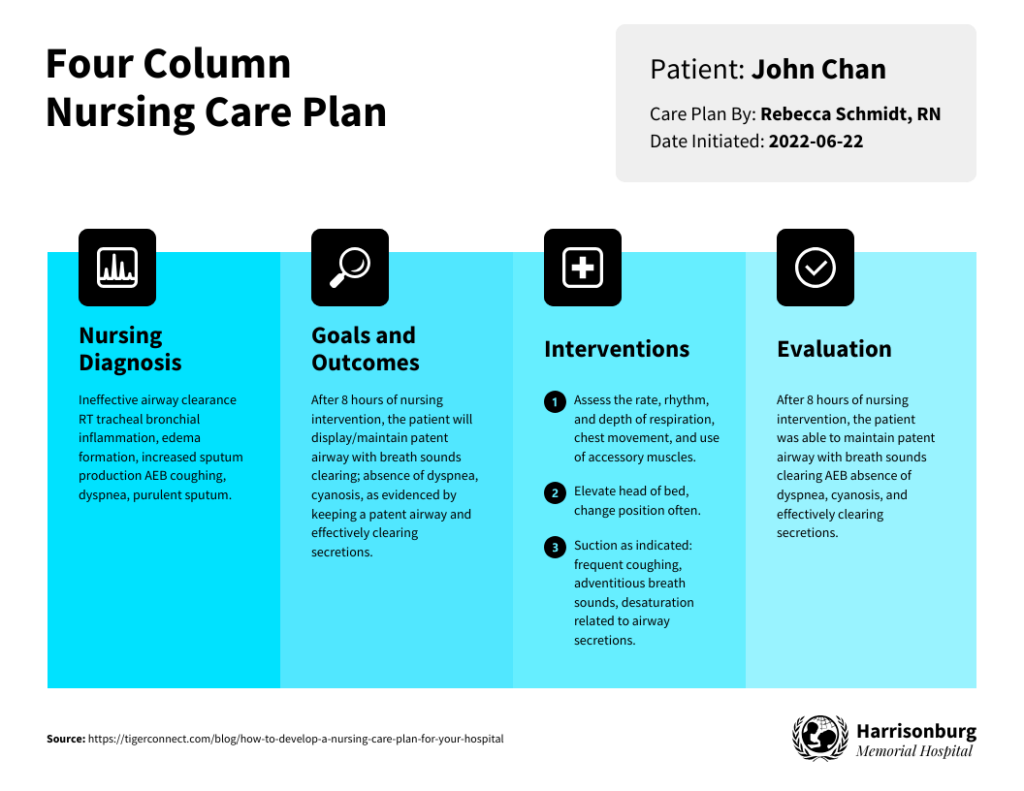
Start by identifying the most stressful parts of your day and use the document to map out those specific interactions. For example, if nighttime medication management is a recurring struggle, create a clear section within the document for step-by-step instructions on administration and side-effect monitoring. You can also track patterns over several weeks, which becomes an invaluable tool when you visit the doctor for follow-up appointments and need to describe changes in symptoms accurately.
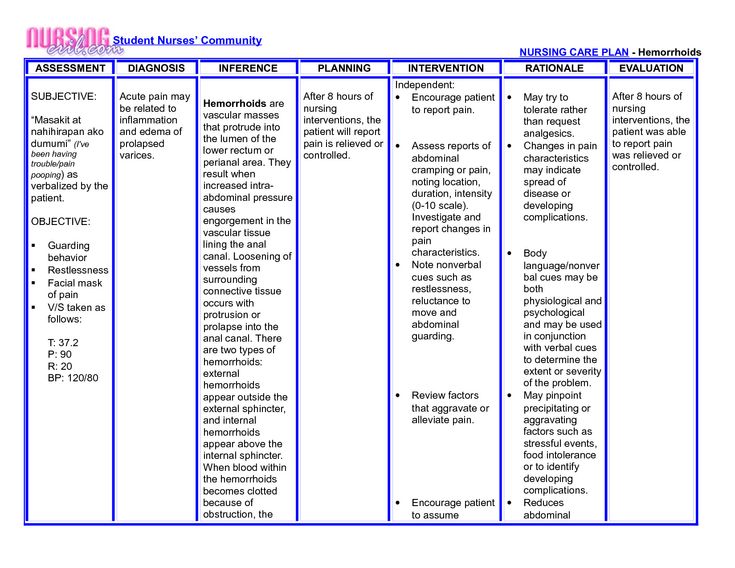
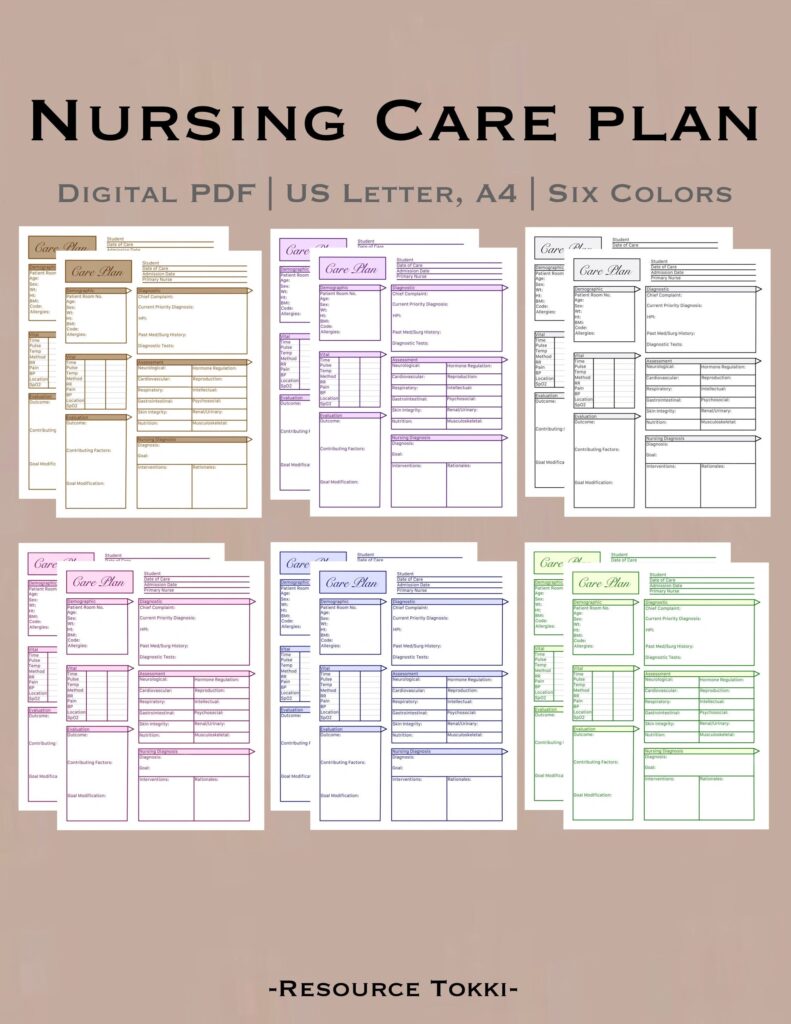
Many parents find it helpful to color-code their sections to distinguish between daily routines, PRN medications, and special dietary needs. By keeping this document in a visible, easily accessible spot, you turn a complex medical situation into a manageable household rhythm. It transforms the way you approach your day, giving you more time to focus on being a parent rather than just being a medical administrator.
Taking control of the logistics allows you to show up as your best self for your family. Once you establish this system, you will find that the mental weight of remembering every detail begins to lift. While nothing replaces the love and intuition you bring to caregiving, having this solid foundation of documentation provides the security and clarity needed to navigate even the most demanding health journeys with confidence.