When a student hits a wall with rote memorization, it is time to shift gears toward visual learning. Integrating high-quality pictures of multiplication charts into your daily rhythm offers a concrete reference point that empowers children to solve problems independently.
Finding Utility in Pictures of Multiplication Charts
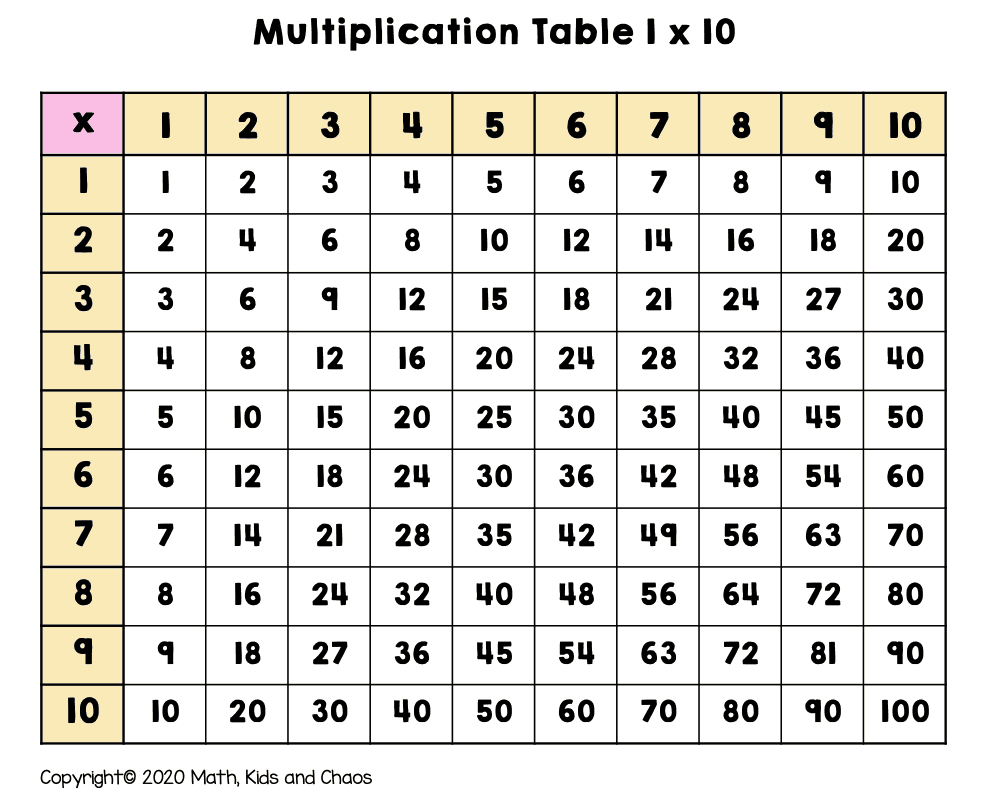
These visual aids serve as a bridge between abstract concepts and real-world calculation. By keeping clear, uncluttered pictures of multiplication charts at the kitchen table or within a workspace, you provide a scaffolding tool that reduces math anxiety during challenging assignments. Instead of pausing a lesson to ask for the answer, your child learns to scan the grid, reinforcing their memory through the physical act of finding the intersection of two numbers.
Strategies for Hands-On Integration
I have found that the most effective way to use these resources is to let the learner take the lead. Encourage your child to shade in specific patterns—like the multiples of four or square numbers—which transforms a static page into a personalized discovery map. When they interact with the grid by tracing rows with their fingers, they are engaging multiple senses, which deeply anchors the numerical relationships in their minds.
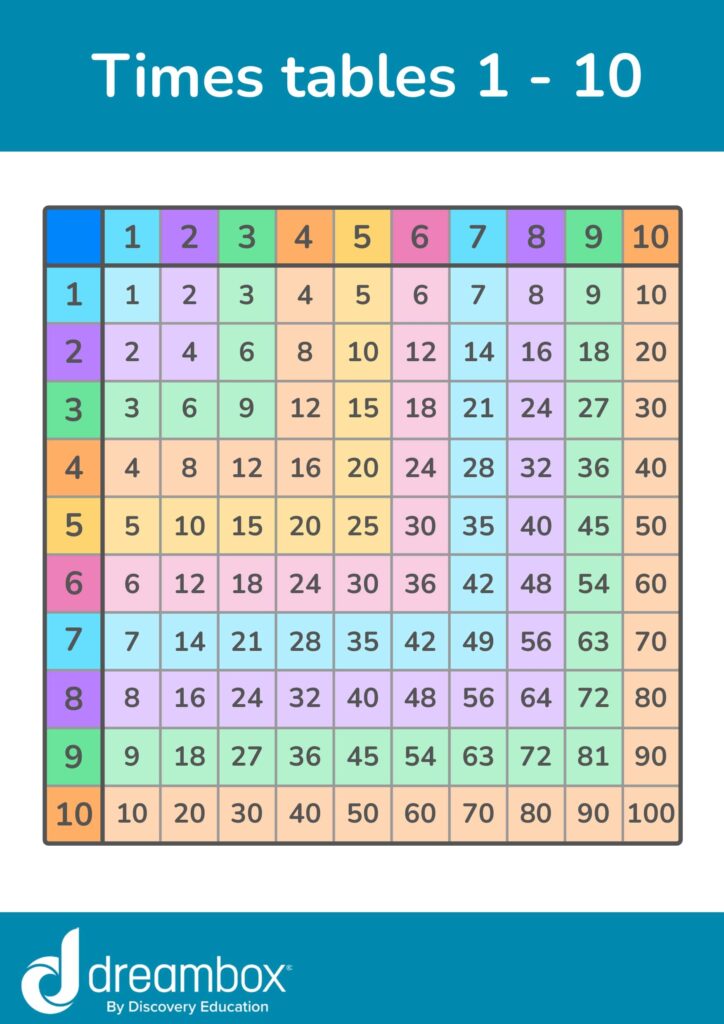
Repetition is your best friend when mastering multiplication, but it does not have to be monotonous. You can laminate these charts and have your learner use dry-erase markers to circle products, effectively turning a simple reference sheet into a reusable game board. This tactile approach helps children move from needing the chart constantly to eventually calling upon the mental images they have built through these repeated, low-pressure interactions.
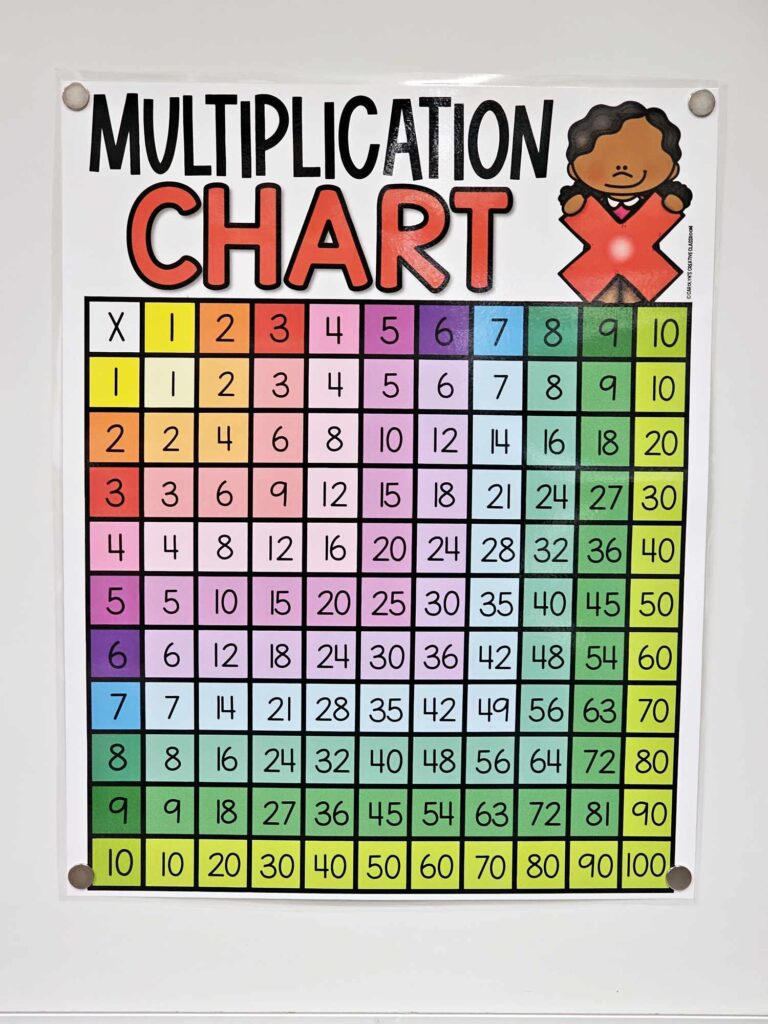
Adaptability is the hallmark of a successful homeschool environment, and visual charts are infinitely flexible. If your learner is overwhelmed by a standard 12×12 grid, try covering half of it with a piece of paper to focus on smaller segments at a time. This allows you to differentiate instruction based on where they are in their developmental journey without making them feel as though they are falling behind or being held back by rigid curriculum requirements.
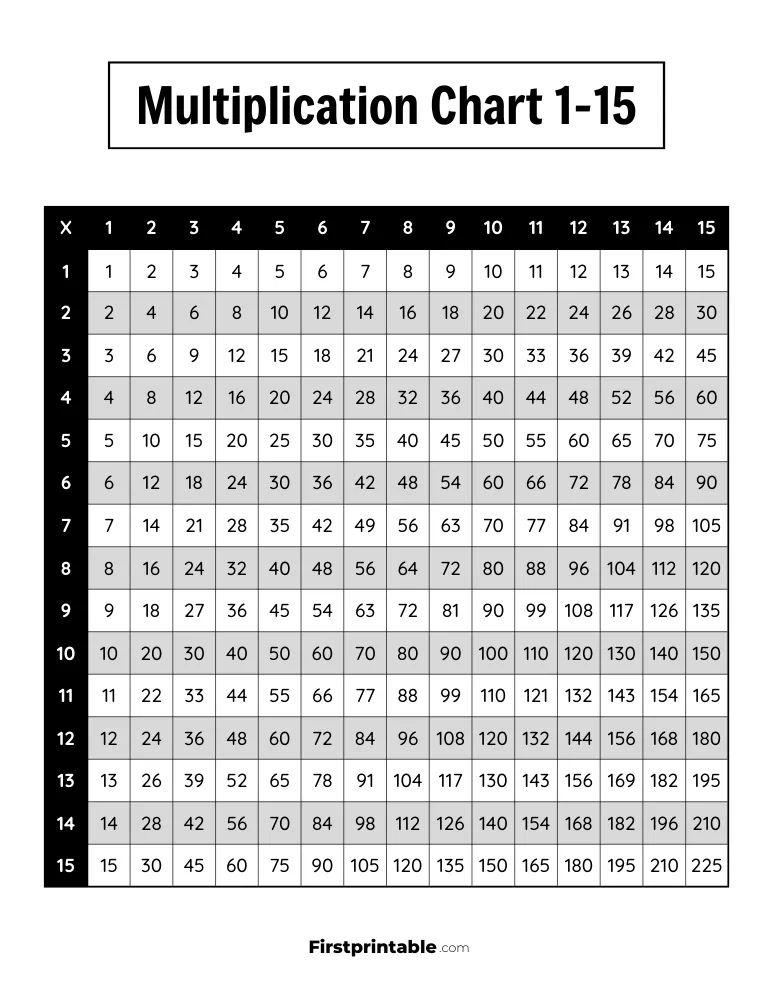
Ultimately, the goal is to foster a sense of competence that allows your child to move toward mastery at their own pace. By utilizing these visual resources, you are teaching them that it is perfectly acceptable to use tools to support their thinking until the facts become second nature. Keep the charts accessible, keep the attitude light, and watch how quickly their ability to tackle complex equations grows alongside their confidence.