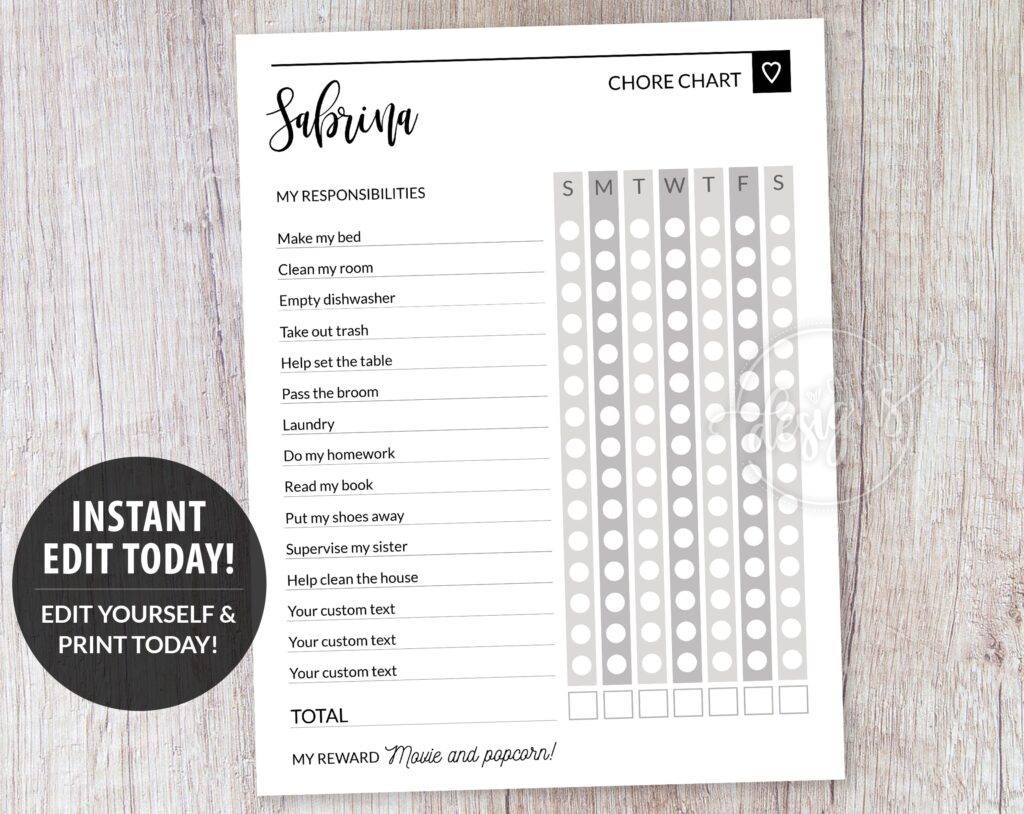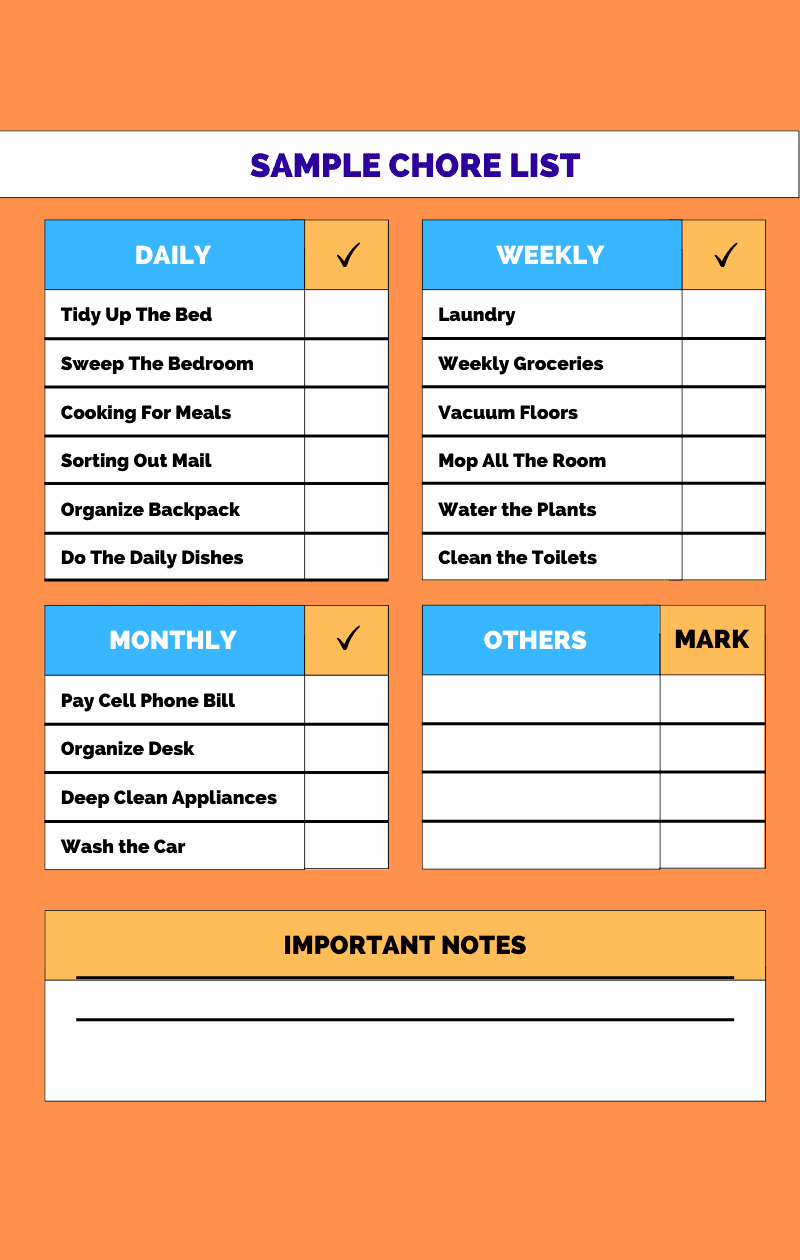
Transitioning from childhood oversight to teenage independence requires a delicate balance of responsibility and autonomy. A structured chore chart for teens can serve as the perfect bridge, fostering a sense of ownership without the need for constant parental reminders.
When children enter their teenage years, the household dynamic naturally shifts toward more complex logistics and academic demands. Attempting to keep track of laundry cycles, kitchen cleanup, and pet care through verbal requests often leads to friction or forgotten tasks. By introducing a visual system, you move the expectation from an annoying interruption to a clear, objective agreement. This shift helps teens manage their own time more effectively, providing them with a concrete roadmap for what needs to be accomplished before they can enjoy their downtime.
Why a Chore Chart for Teens Matters
The effectiveness of a chore chart for teens lies in its ability to externalize expectations. Rather than feeling like a series of demands issued on the spot, the list becomes a shared document that removes ambiguity from the equation. When a teenager can physically cross off a task or see their progress on a wall-mounted guide, they receive immediate, tangible reinforcement of their contribution to the family unit. This autonomy is vital for preparing them for college life or independent living, where no one will be there to nudge them about taking out the trash or loading the dishwasher.
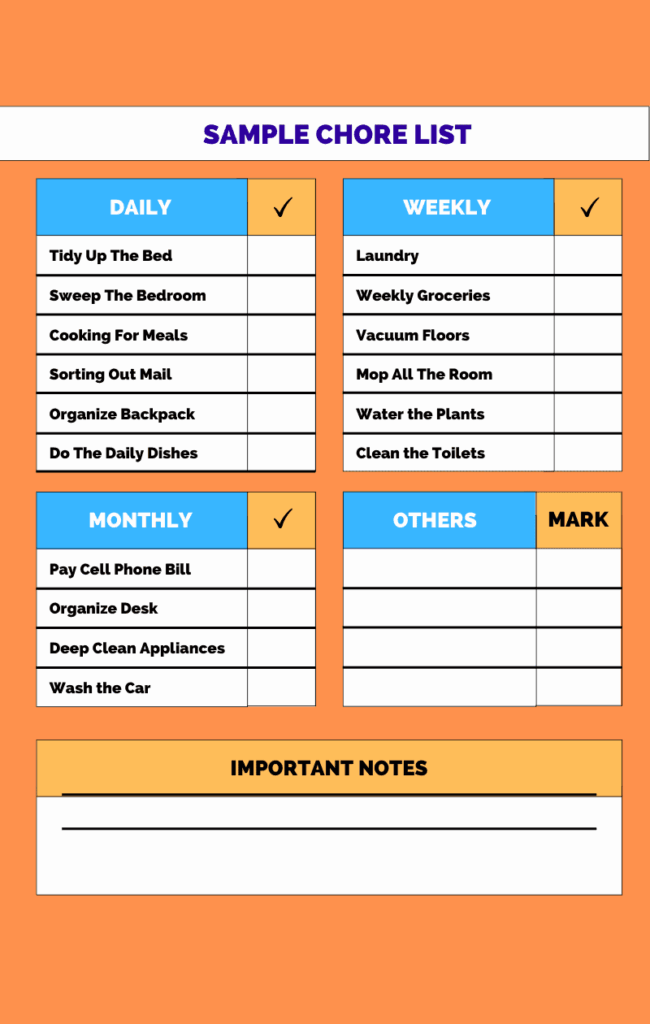
Designing a system that actually gets used requires input from your teenager. If they feel like they have a voice in which tasks they prefer, they are significantly more likely to follow through without resentment. Some teens prefer morning routines to start their day, while others thrive when they can tackle a list of weekend projects at their own pace. By allowing them to choose between specific responsibilities, you instill a sense of agency that encourages them to take their commitments seriously and hold themselves accountable for their own schedule.
Strategies for Long-Term Success
Consistency is often the biggest hurdle when implementing new home routines. To keep the momentum going, ensure that the chart remains in a high-traffic area where it is impossible to ignore. Some families find success by linking the completion of chores to certain privileges, while others prefer to treat the tasks as a standard expectation of living in a shared space. Whatever method you choose, the key is to avoid using the list as a weapon. Instead, treat it as a neutral tool that allows you to focus on connection rather than constant negotiation or policing of minor domestic duties.
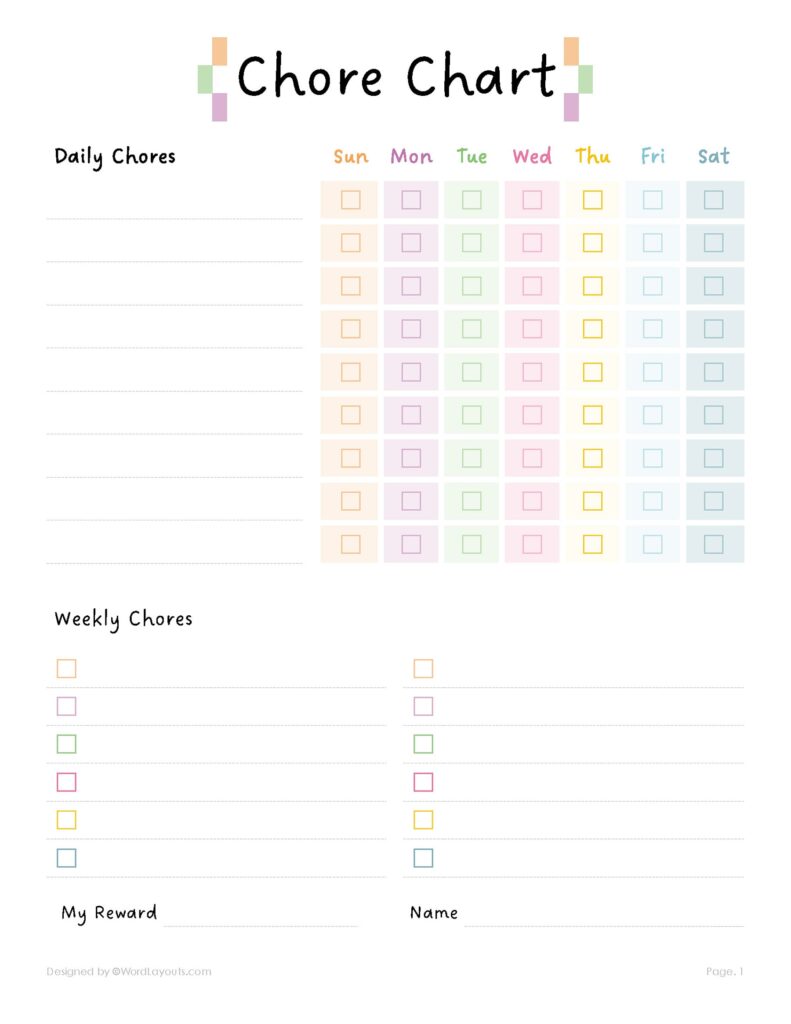
As the months progress, do not be afraid to iterate on your initial design. What worked during a busy sports season might not be practical during summer break or final exams. A good printable resource is flexible enough to accommodate these shifts in lifestyle. If you notice a specific task is consistently missed, talk it over during a weekly family check-in to see if the workflow needs adjustment. Perhaps the timing is off, or the instruction is unclear, but working through these challenges together keeps the lines of communication open and reinforces the idea that home maintenance is a collaborative effort.
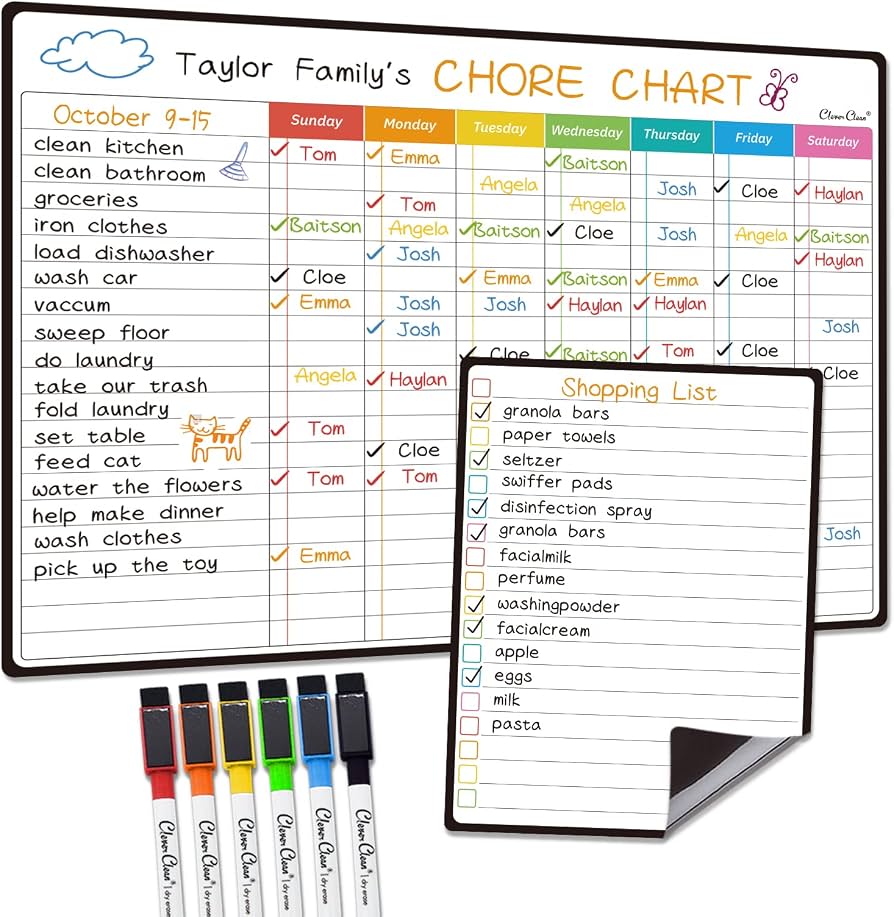
Ultimately, the goal is to raise capable young adults who understand the value of contributing to their environment. By utilizing a chore chart for teens, you provide the structure necessary for them to develop discipline and reliability. These small, daily actions eventually become habits that serve them well beyond the walls of your home. Focus on the progress they make rather than perfect execution, and you will find that the atmosphere at home becomes much more cooperative and relaxed for everyone involved.