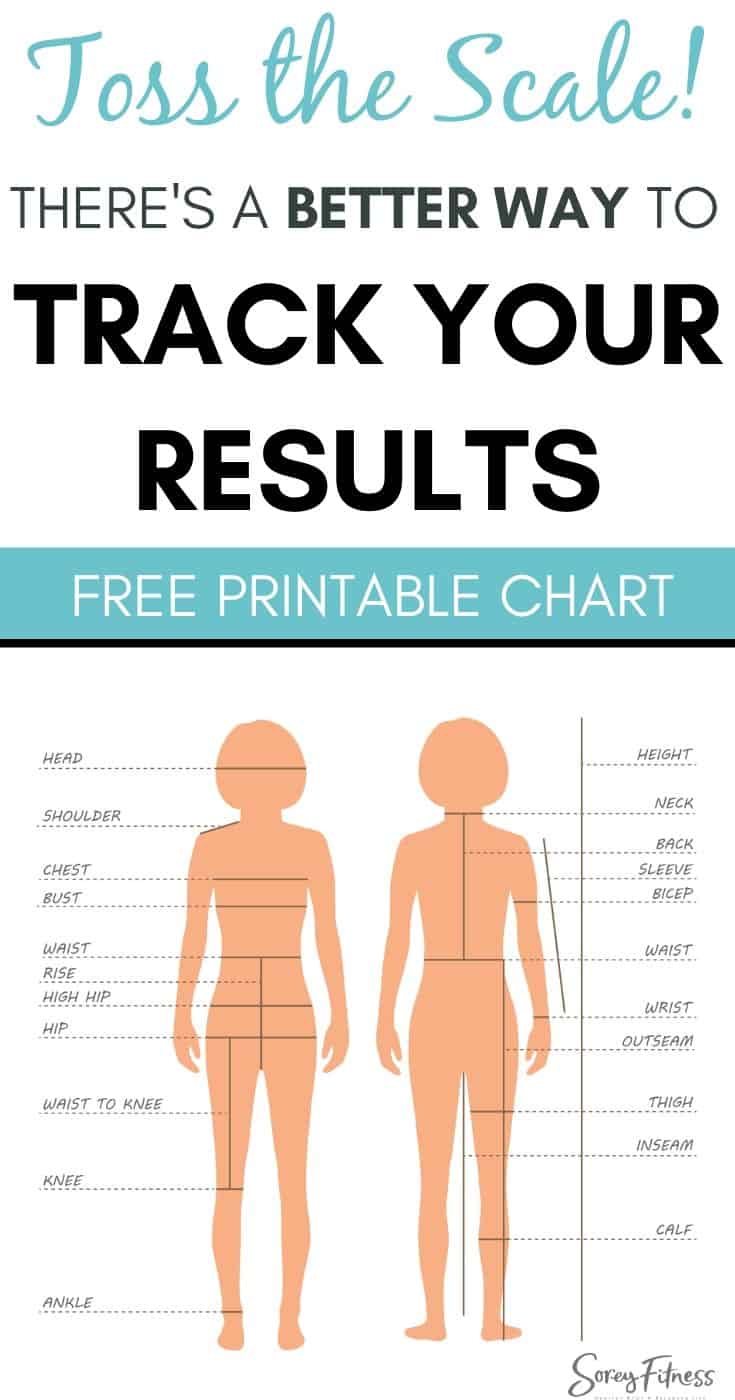
Precision is the silent partner to every well-fitted garment and health milestone. Having a consistent measuring chart for body statistics transforms vague estimates into concrete data, ensuring your clothes sit perfectly or your progress tracking remains anchored in accuracy.
Most people struggle with fit because they rely on vanity sizing or generic ready-to-wear labels that rarely account for individual proportions. A dedicated tracking sheet provides a standardized reference point that removes the guesswork from online shopping and custom tailoring. By keeping a record of your natural waist, inseam, and shoulder width, you gain the confidence to make sartorial decisions based on your actual physique rather than shifting industry standards.
Mastering Your Personal Measuring Chart for Body Data
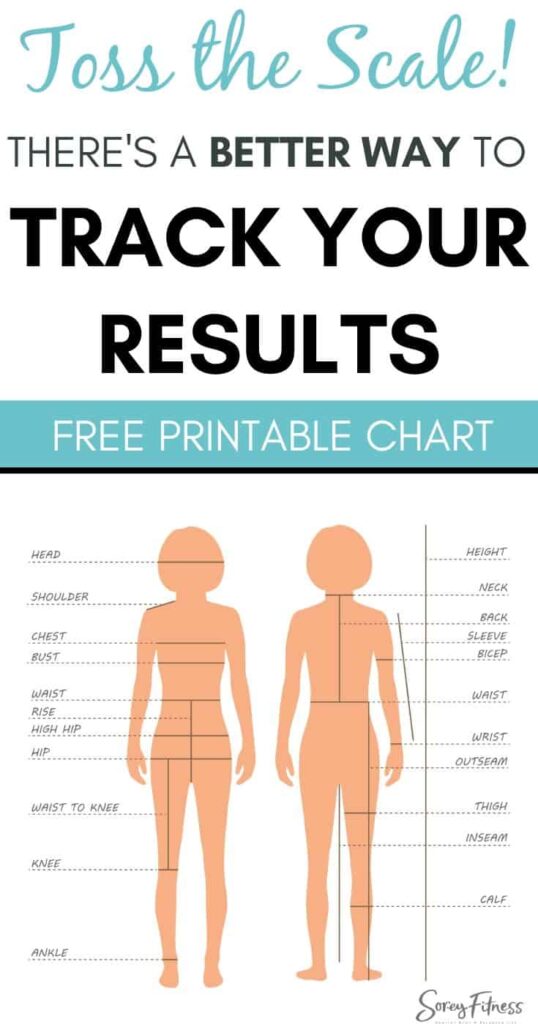
Utilizing a professional template helps maintain consistency over time, which is essential for those monitoring fitness transformations or managing a growing wardrobe. When you record your numbers in a structured format, you create a longitudinal study of your own body. This practice is far more reliable than relying on the scale, as it highlights subtle shifts in muscle tone and posture that numerical weight often obscures.
The most effective tools for tracking are those that clearly label the primary anchor points, such as the bust, narrowest part of the waist, and the fullest part of the hips. Each measurement should be taken while wearing minimal clothing to ensure the tape sits flush against the skin without digging into soft tissue. By recording these figures at the same time of day and in the same state of hydration, you eliminate the variables that often lead to data discrepancies.
Practical Applications for Daily Use
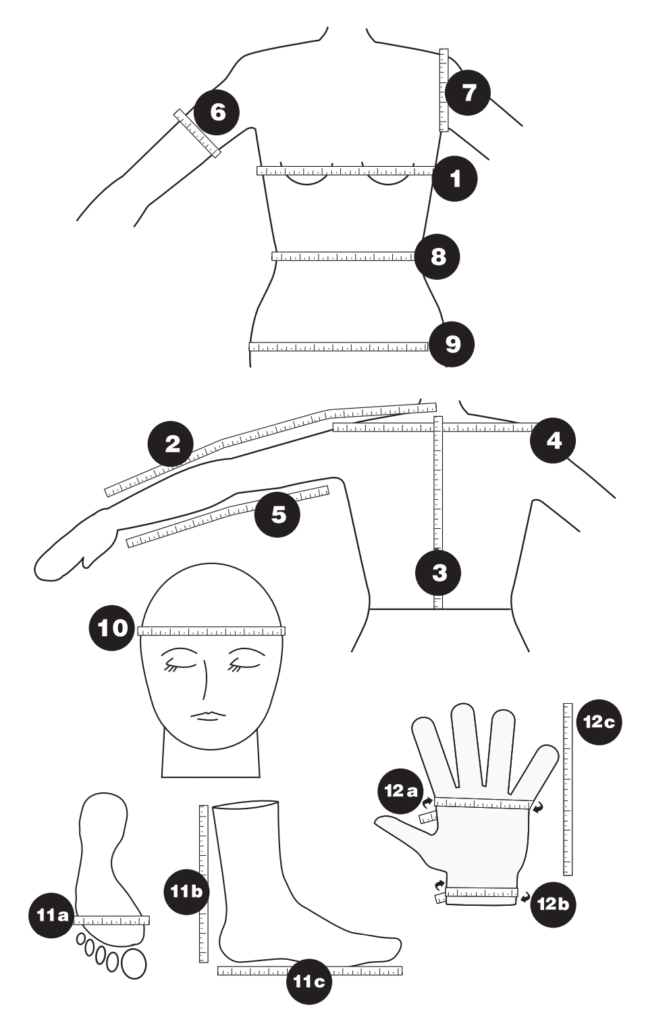
Home sewers and fashion enthusiasts find these resources particularly invaluable when deciphering complex sewing patterns. Because every designer uses a unique base block for their sizing, having your own stats written down allows you to cross-reference your dimensions with the specific garment charts provided on pattern envelopes. It saves both time and expensive fabric by preventing the common frustration of cutting into material only to find the finished piece is too tight or excessively loose.
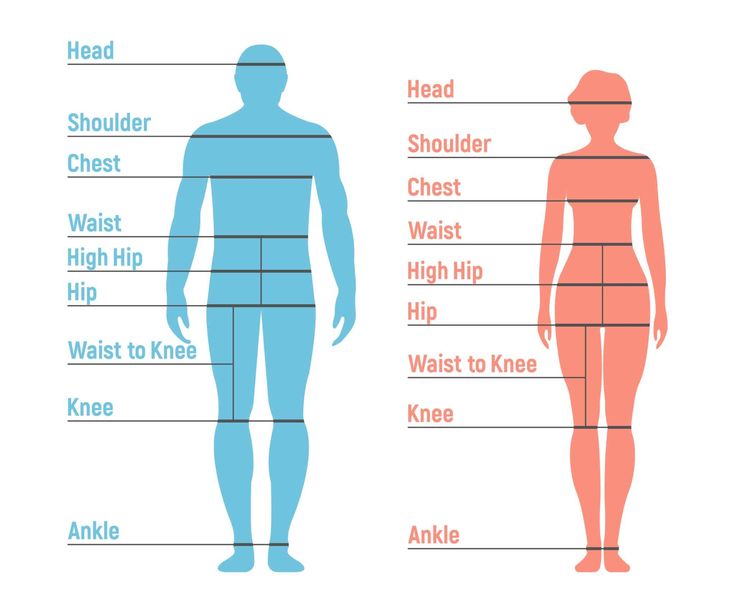
Beyond the sewing room, these charts serve as a vital component of a holistic wellness journey. Keeping a log of your measurements can be incredibly motivating when weight loss or muscle gain plateaus occur, as the tape measure often tells a more encouraging story than the scale. Watching the numbers change at the chest or arms provides a tactile sense of achievement that reinforces healthy habits and long-term commitment to self-care.
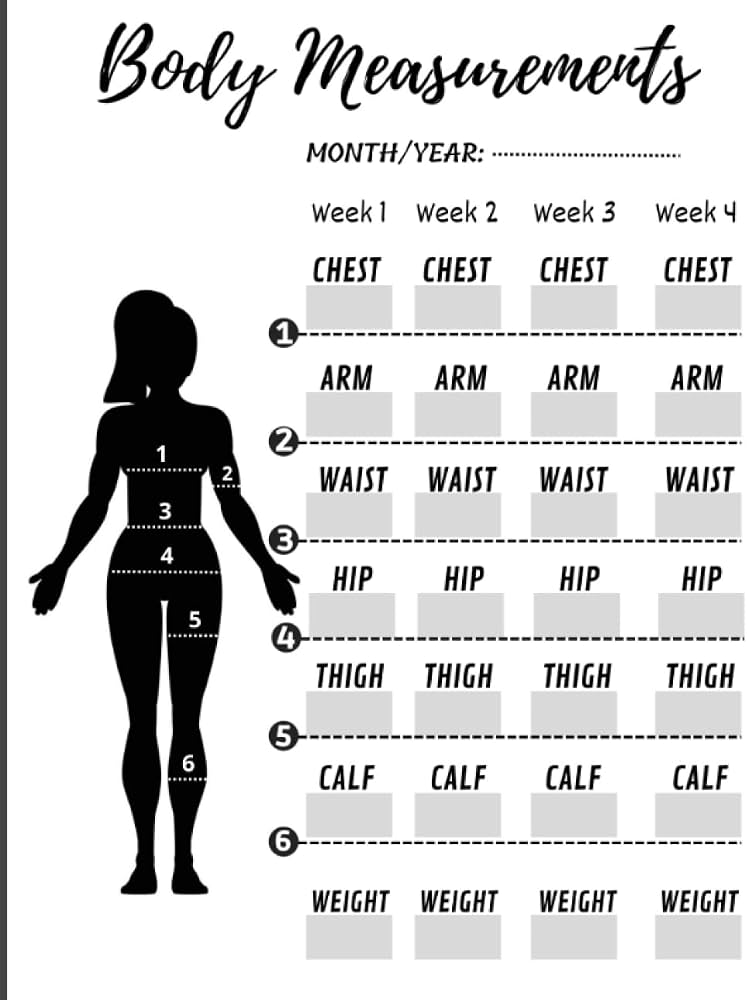
Investing a few minutes to accurately map your measurements is a sophisticated approach to personal maintenance. Whether you are ordering a bespoke suit, shopping for vintage clothing with non-standard sizing, or simply watching your fitness goals come to fruition, the data you collect becomes a powerful tool. Rely on your records to navigate the world of style and health with precision and newfound clarity.